Sri Lanka’s traditional cuisine is a notable part of the island’s cultural experience. Visitors often find the local food to be a flavorful introduction to the country’s diverse heritage. From hearty rice and curry plates to street food favourites and sweet desserts, sampling these dishes can add an enjoyable layer to your travel itinerary.
Overview of Sri Lankan Cuisine
Sri Lanka offers a rich variety of traditional dishes that reflect its cultural heritage. Key foods like rice and curry, hoppers, and kottu roti provide visitors with authentic taste experiences to enjoy during their stay.
Rice and Curry: A Staple Meal
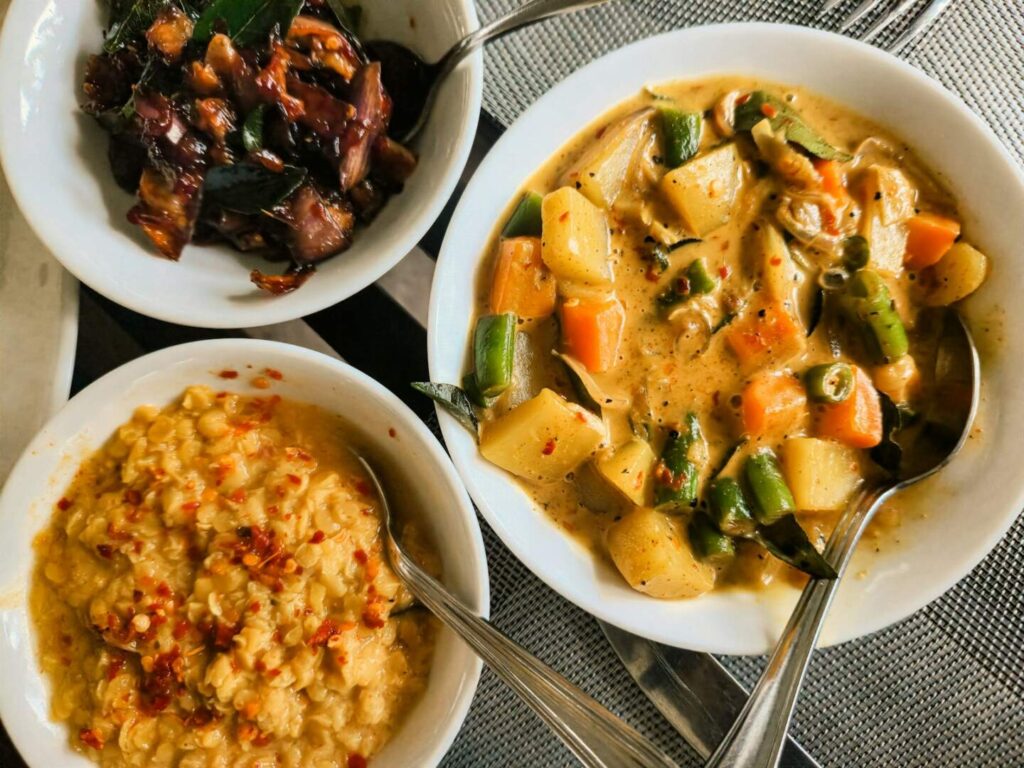
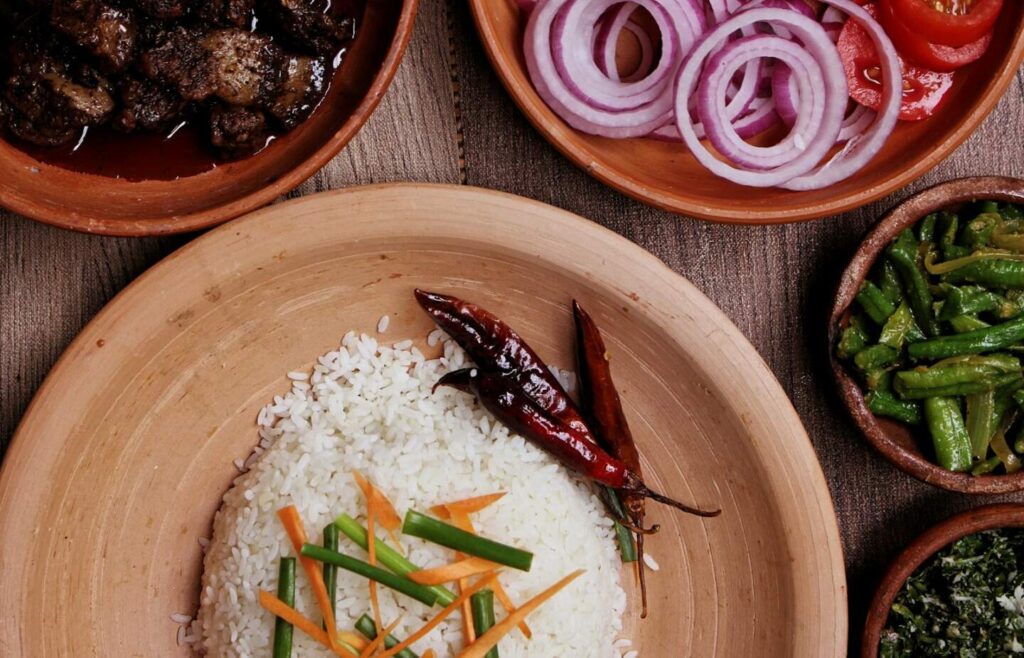
The quintessential Sri Lankan meal is rice and curry, available throughout the island with regional variations. Typically served with steamed red or white rice, this meal includes several types of curry made with vegetables, meat, or seafood. The curries are seasoned with local spices such as cumin, turmeric, cardamom, and cinnamon, offering a balance of spicy, tangy, and earthy flavours.
Expect multiple accompaniments on your plate, such as dal curry (lentils), mallung (a herb salad), fish curry, and gotu kola sambol (a salad made with pennywort leaves). This variety showcases the complexity and freshness that define Sri Lankan dining.
Hoppers and String Hoppers: Unique Breakfast and Dinner Options
Hoppers, or appa, are bowl-shaped pancakes made from fermented rice flour batter. They have a crispy edge and a soft centre, often served plain or with additions like egg (egg hopper) or palm treacle for sweetness. Hoppers pair well with spicy sambols such as lunumiris (chilli and onion) or coconut sambol.
String hoppers, known locally as idiyappam, are delicate steamed nests of thin rice noodles. These are typically eaten with sambols or coconut milk-based curries. Their light texture and subtle taste make them a versatile choice for different meals.
Kottu Roti: A Popular Street Food
Kottu roti is a lively street food dish made by stir-frying chopped flatbread with vegetables, eggs, and your choice of meat, often chicken or beef. The ingredients are mixed on a large griddle with rhythmic chopping sounds, creating a chewy yet crispy texture. It’s usually served with curry sauce or raita (a yoghurt-based side).
Essential Condiments and Sweets
Pol sambol, a spicy coconut relish made from fresh grated coconut, red chillis, onions, and lime juice, is a common accompaniment to many dishes. Its bold flavour enhances rice and curry, hoppers, string hoppers, and roti alike.
For dessert, visitors can try watalappan, a rich custard pudding made with coconut milk, jaggery (palm sugar), eggs, and cardamom. Another sweet treat is kiri toffee, a soft coconut milk toffee often enjoyed with Ceylon tea.
Ceylon Tea: A Cultural Staple
While exploring Sri Lanka’s culinary offerings, don’t miss tasting Ceylon tea. Grown in the central highlands, this tea is known for its distinctive aroma and flavour. It can be savoured black, with milk, or as iced tea, often accompanied by small savoury snacks called short eats.
Sampling these traditional foods provides a deeper understanding of Sri Lanka’s cultural identity. Visitors can find these dishes widely available in local restaurants, street food stalls, and markets across the island.
Essential Tips for Tourists
Sri Lankan traditional dishes often include a variety of spices and fresh ingredients, so travellers should be prepared for bold flavours. Popular meals like rice and curry come with multiple side dishes, making them filling and diverse. Street foods such as kottu roti and hoppers are widely available but try to choose busy, well-reviewed vendors for hygiene. Don’t miss tasting local sweets and the famous Ceylon tea during your visit.
Helpful Travel Tips
Sampling these traditional foods provides a deeper understanding of Sri Lanka’s cultural identity. Visitors can find these dishes widely available in local restaurants, street food stalls, and markets across the island.