Dambulla’s painted cave temple is one of Sri Lanka’s standout cultural sites, perched 160 meters above the town on a vast granite outcrop. This UNESCO World Heritage Site showcases some of the oldest and largest rock cave murals in the world, with over 150 Buddha statues and vibrant frescoes dating mainly from the 19th century.
Quick Travel Summary
The Dambulla Cave Temple, a UNESCO World Heritage Site in Sri Lanka's Cultural Triangle, offers ancient Buddhist murals and statues inside five rock caves. Visitors should plan to visit early to avoid heat and crowds and note the climb involved to reach the site.
Getting There and Timing Your Visit
Dambulla is about 80 kilometers from Kandy and 148 kilometers from Colombo, accessible by bus or tuk-tuk. The climb to the cave temple involves around 10 minutes of steady steps carved into the rock. Visiting early in the morning is advisable to avoid the intense midday heat and to enjoy the site with fewer visitors, as the ticket counter tends to be empty first thing.
Ticketing and Access
The entrance fee for foreign visitors is 1500 LKR, paid at the counter near the temple’s entrance. The Cultural Triangle ticket does not cover Dambulla, so prepare to buy a separate ticket. Tickets are checked at the top of the climb before entering the caves.
What You’ll See Inside the Caves
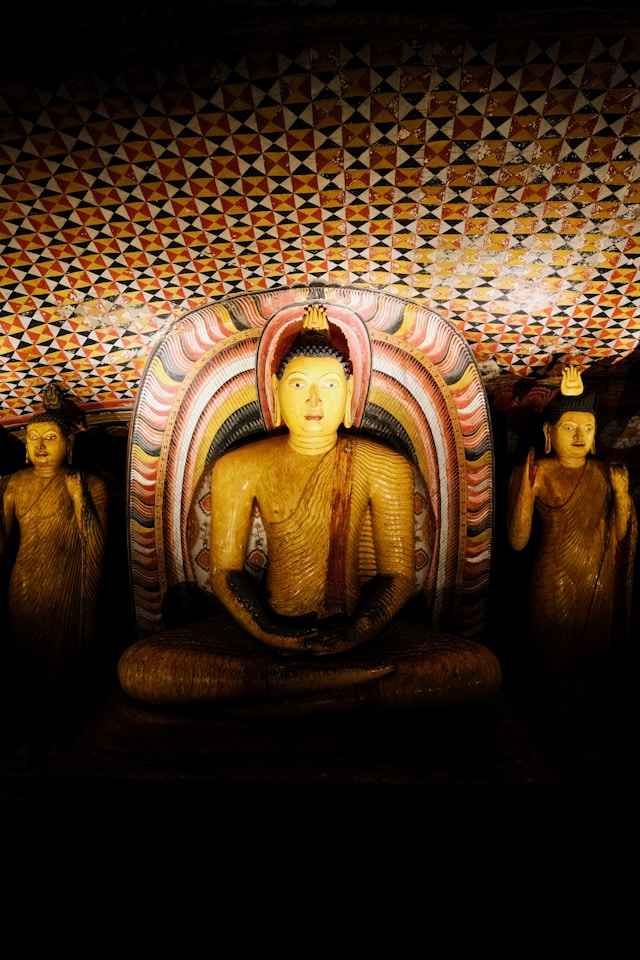
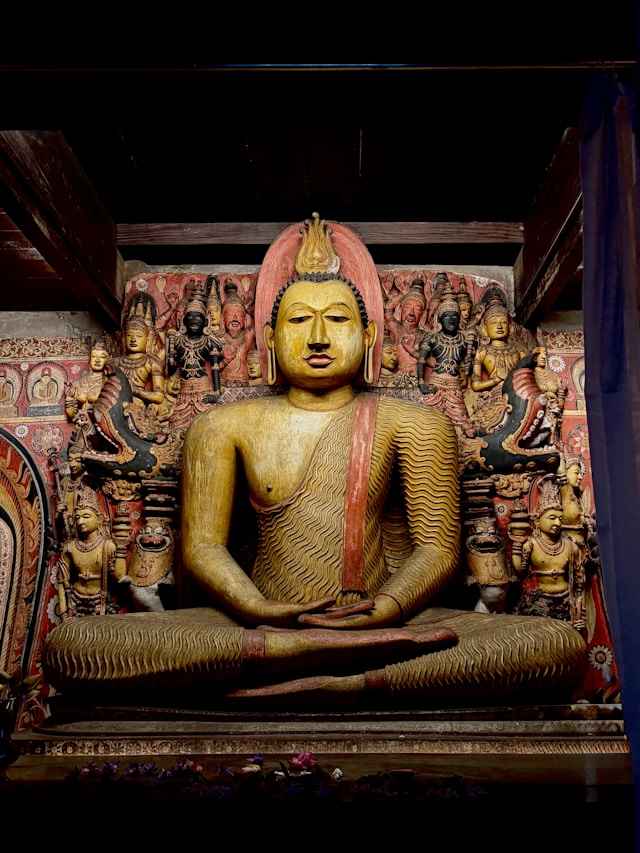
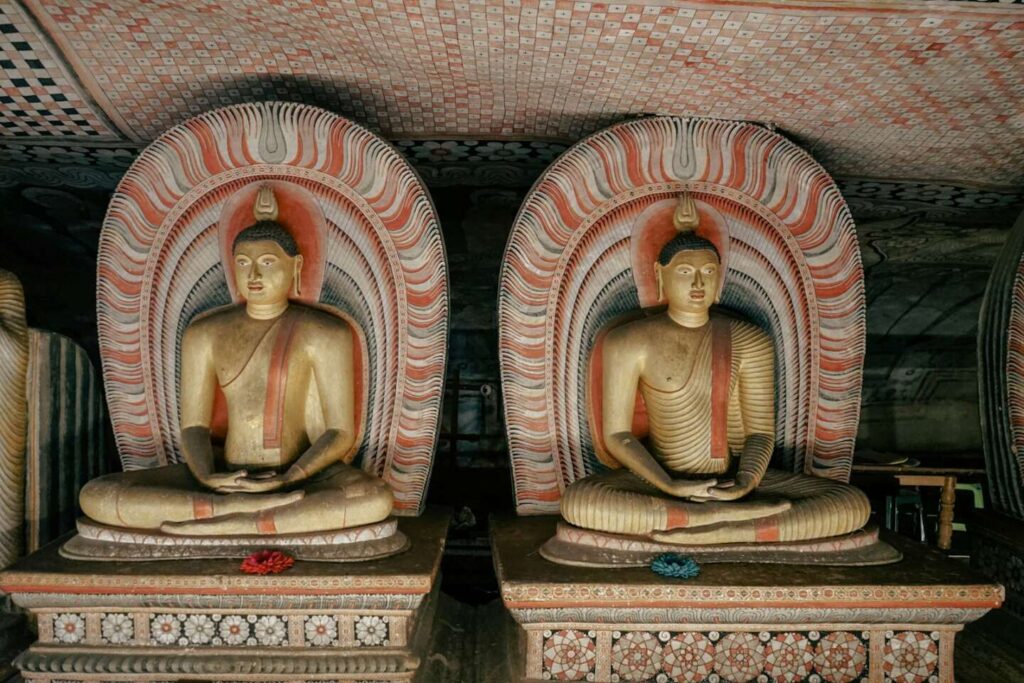
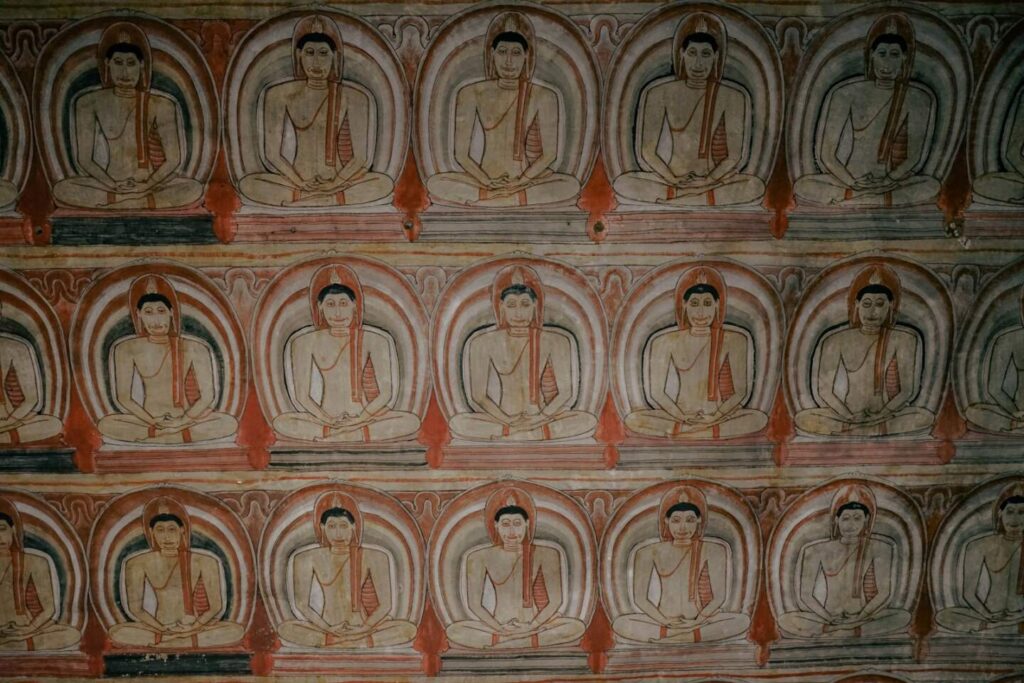
The temple complex consists of five main caves carved into the rock face, each housing numerous statues and walls covered with murals depicting Buddhist stories, Jataka tales, and scenes from the life of the Buddha. The caves are dimly lit, which enhances the vivid reds, yellows, and golds of the paintings and statues.
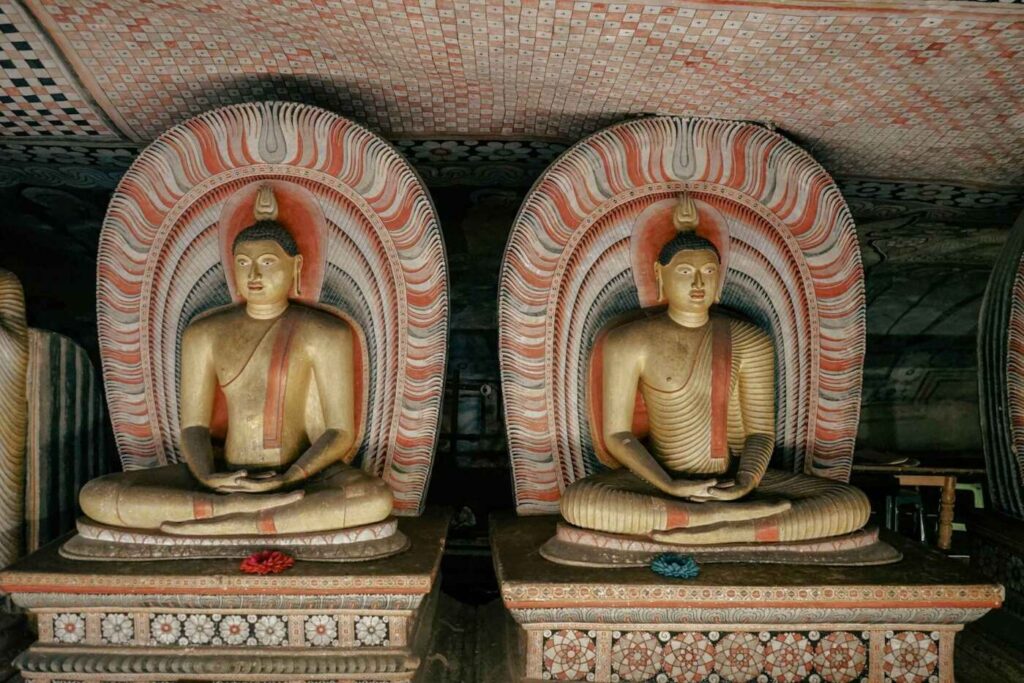
One of the highlights is a reclining Buddha statue measuring 15 meters in length. The murals and statues have been repainted and retouched over centuries, primarily during the 19th century, but they preserve the spiritual and artistic heritage of the site.
Atmosphere and Surroundings
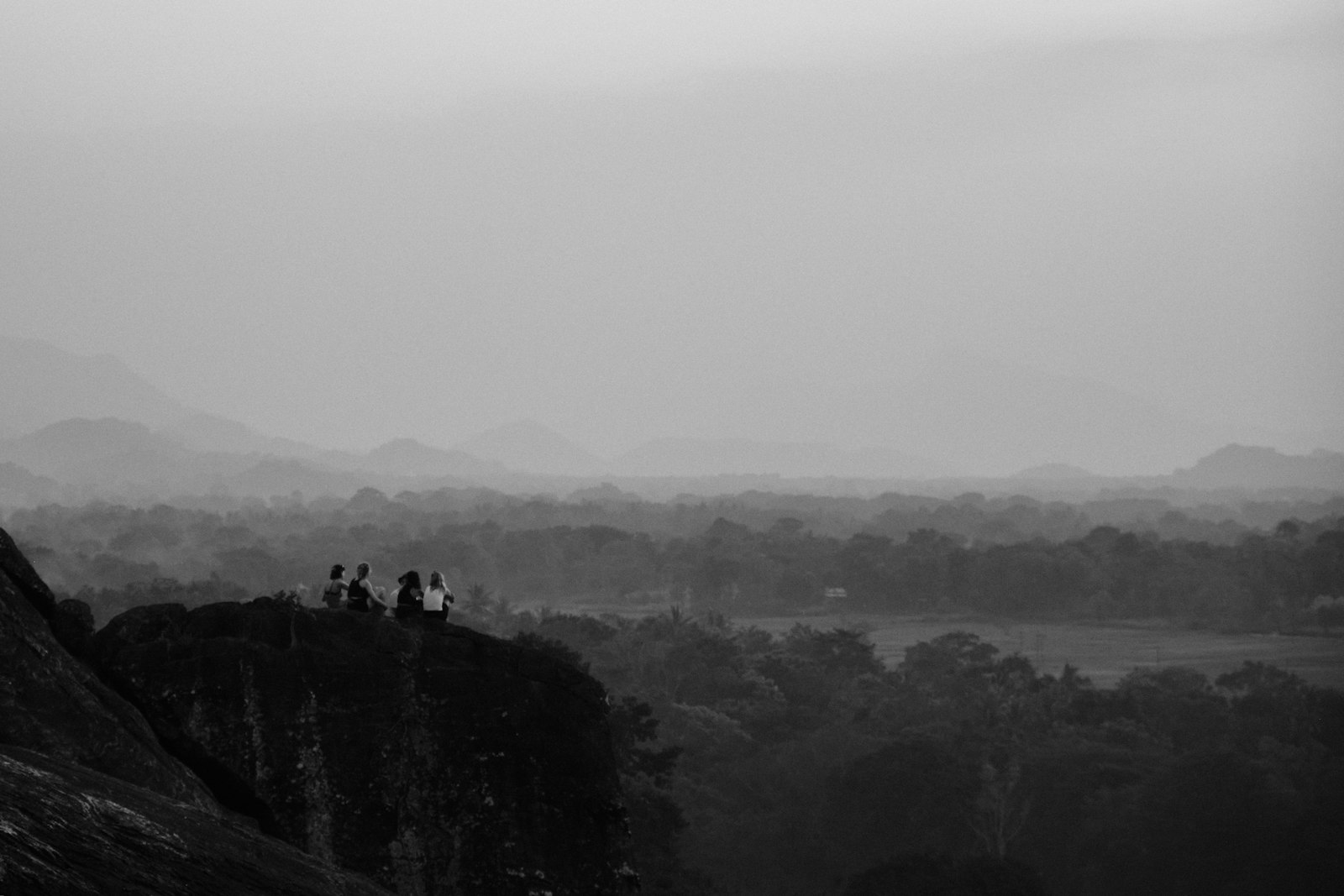
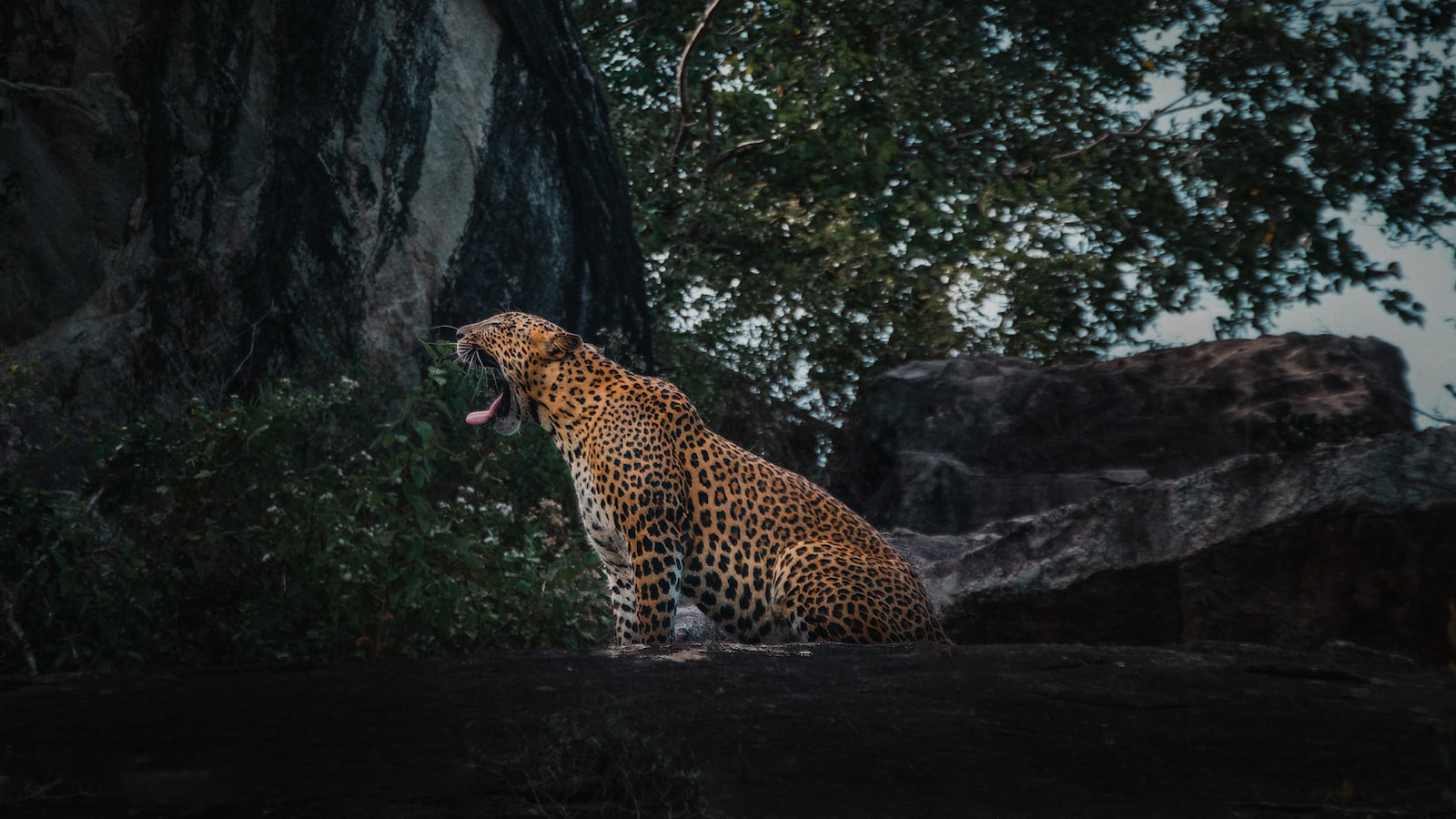
The temple’s exterior is less impressive, with some recent decorative additions that contrast with the ancient interiors. Still, the climb offers sweeping views over the dry plains stretching toward Sigiriya, about 20 kilometers away. Along the way, you might spot silvery langurs among the trees, adding to the serene environment.
Where to Stay in Dambulla
Accommodation options range from resorts to boutique hotels and smaller guesthouses. Prices tend to be higher than in nearby towns, but there are affordable family-run guesthouses close to the cave temple. Some offer air-conditioned rooms with garden views at reasonable rates, making them convenient bases for exploring the caves and nearby attractions.
Nearby Attractions
Dambulla also has an ironwood forest known as Nauyana Aranya and is near the largest rose quartz mountain range in South Asia. Combining a visit to Dambulla with Sigiriya or Polonnaruwa is common for those exploring the Cultural Triangle.
Practical Tips for Visiting
Wear comfortable shoes for the climb and bring water to stay hydrated, especially during hotter months. Photography is allowed inside the caves, but avoid using flash to protect the murals. Early morning visits offer the best light and fewer crowds.
Essential Visitor Information
The Dambulla Cave Temple requires a short but steady climb to reach the cave entrances. Tickets are separate from other Cultural Triangle sites, so plan accordingly. Visit early to avoid crowds and heat, and remember that photography without flash is permitted. Accommodation near the caves is available but can be pricey, with some budget guesthouses offering good value.
Travel tip
Visiting the Dambulla Painted Caves offers a unique glimpse into Sri Lanka’s rich cultural and spiritual heritage. With careful planning and an early start, travelers can enjoy this remarkable site while avoiding the crowds and heat.