Sri Lanka presents a wide range of photographic possibilities, from iconic landmarks like Sigiriya Rock to lush tea plantations and quiet beaches. Understanding the island’s seasonal weather and region-specific conditions can help visitors plan their photography outings more effectively.
Quick Travel Summary
Sri Lanka offers diverse photography opportunities from Sigiriya to Tangalle, with the best travel times varying by region. Visitors should plan around local weather patterns and choose locations carefully for the best photos and safe travel.
Timing Your Visit: Weather and Photography
The island’s climate divides mainly into dry and rainy seasons, but these seasons vary depending on where you travel. For the south and southwest coast, the dry season runs from January to April, with April being a transition month. The monsoon typically arrives between May and September, bringing heavy rain. Meanwhile, the northeast and central mountain areas may experience different weather patterns, with their rainy periods not always matching the southern coast.
For photographers, this means there is no single perfect month across the whole country. Visiting in March offers a good general balance for travel and photography, although some waterfalls may have less water at this time. If waterfall photography is a priority, planning a trip toward the end of the year, avoiding monsoon rains, is advisable.
Key Photography Locations and What to Expect
Sigiriya and Pidurangala Rock
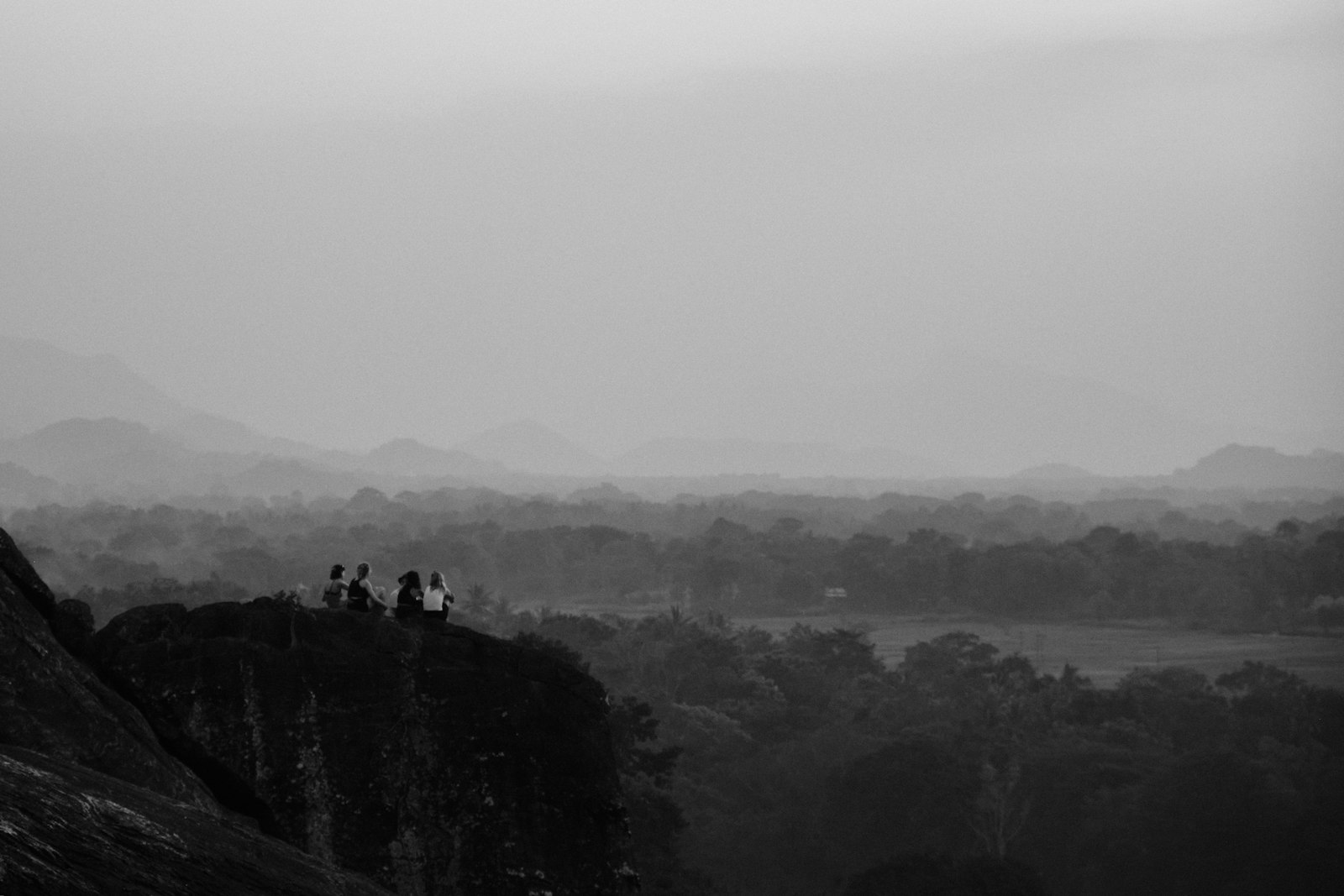
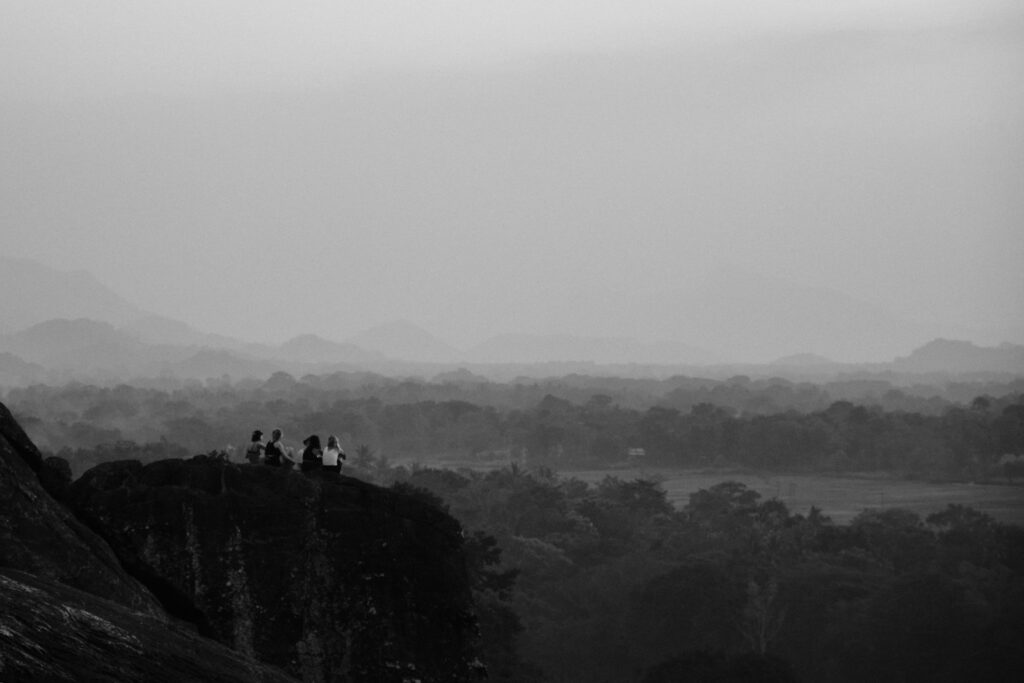
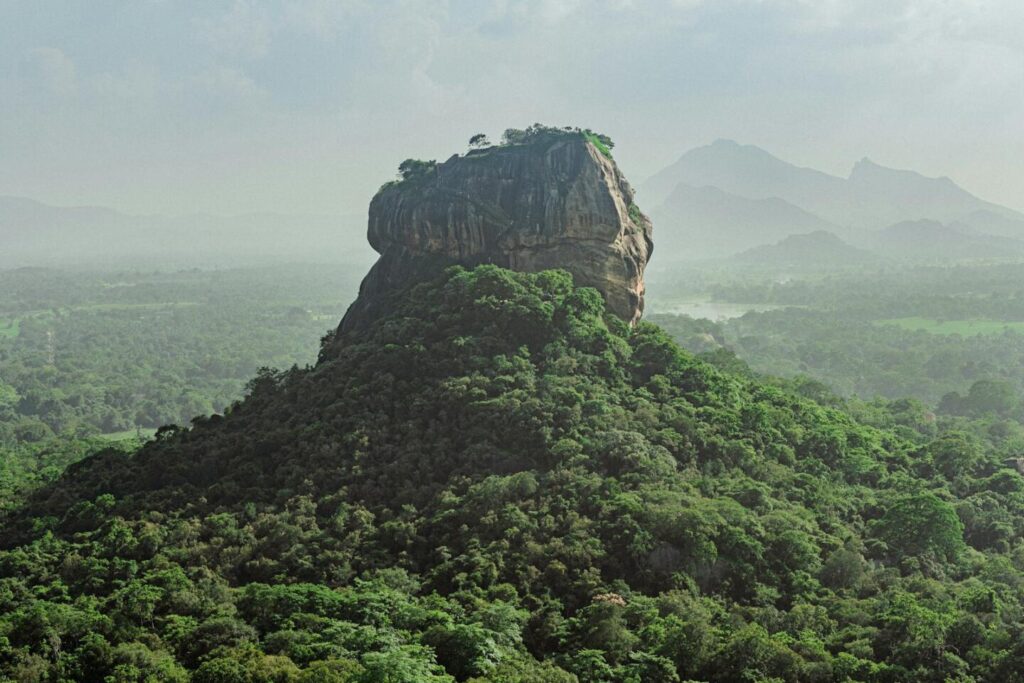
Most visitors want the classic shot of Sigiriya Rock. Instead of climbing the rock itself, head to Pidurangala Rock to the north for the best views. The climb is about 30 minutes and costs a small entrance fee. Early mornings and sunsets are popular times, so expect crowds but also a chance to find quieter spots by exploring the plateau.
Be cautious when walking after dark, as wild elephants are known to roam the area, especially in the dry season. Using a tuk-tuk to reach the trailhead is safer than walking alone at night.
Central Highlands: Nuwara Eliya and Ella
The tea country around Nuwara Eliya offers scenic plantations and mountainous views. Getting there from Sigiriya can be a long drive, often taking seven hours by car. For planning precise viewpoints, Google Street View can be a useful tool to scout locations virtually before arrival.
Ella is famous for the Nine Arches Bridge, but caution is advised as some popular photo spots involve risky behavior on moving trains. Instead, Little Adam’s Peak provides a safer hike with impressive views in about 45 minutes. Sunrise and sunset here offer good lighting conditions.
Southern Coast: Tangalle and Nearby Beaches
Tangalle’s coastline is less crowded than other beach areas and features several photogenic beaches such as Silent Beach, Paradise Beach, Jungle Beach, and Hiru Beach. These spots offer quiet stretches of sand, interesting rock formations, and local beachside restaurants. The Dondra Lighthouse near Tangalle is another notable location, particularly attractive at sunrise and sunset from nearby beaches and rocky outcrops.
The food scene in Tangalle is also worth exploring. The Sunset Beach Bar is known for generous portions and tasty meals, providing a good break after a day of shooting.
Wildlife Photography: Yala and Udawalawe National Parks
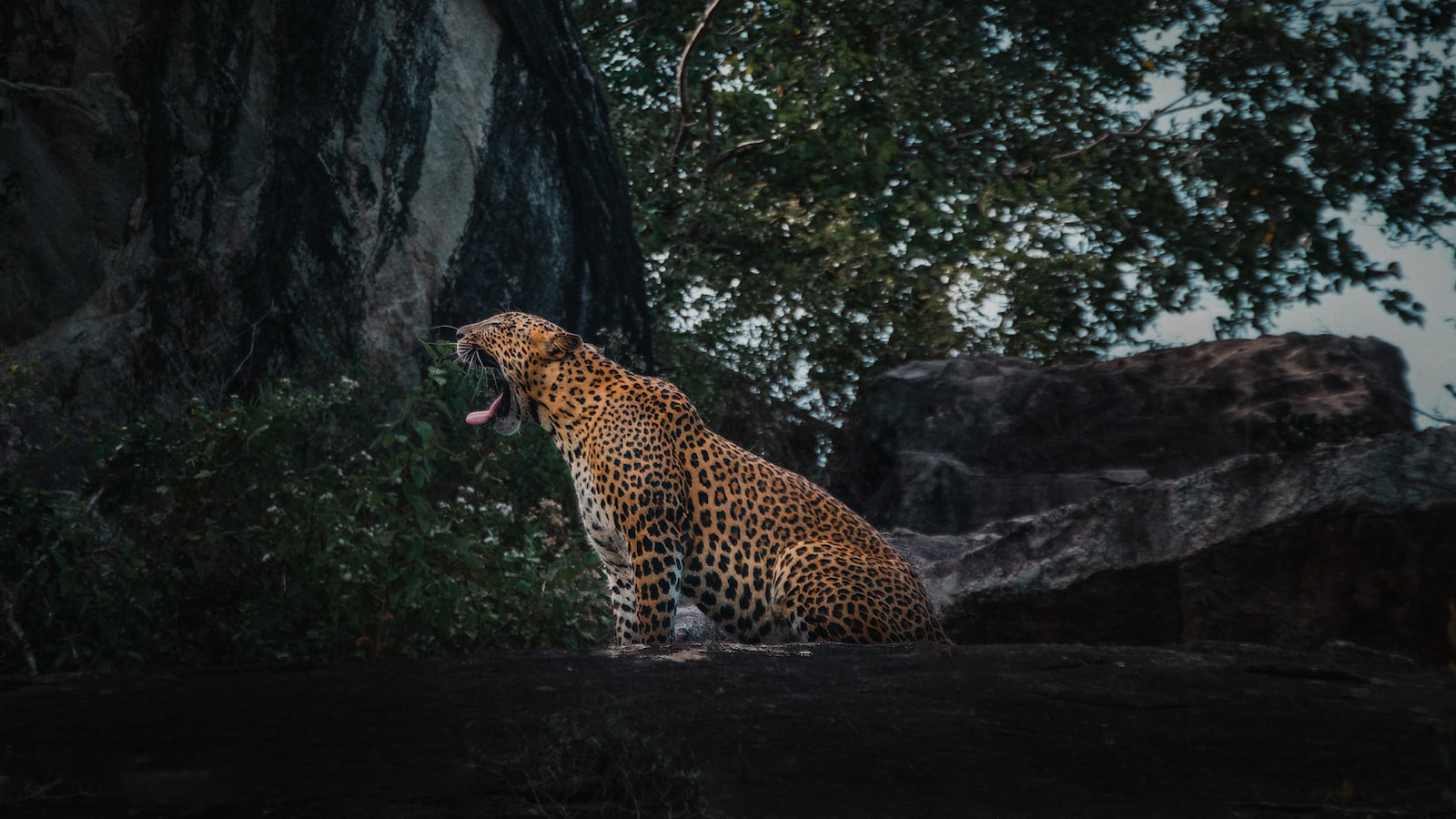
For wildlife, Yala National Park and Udawalawe National Park are top choices, especially for elephant sightings. Yala can be busy, so booking a private jeep is recommended to avoid crowds and get better photographic opportunities. Late afternoon visits, close to park closing time, offer chances to see relaxed elephant herds away from other vehicles.
Tree Tops Jungle Lodge on Yala’s northern edge offers guided hikes with rewarding views and wildlife encounters, making it a good base for photographers interested in combining landscape and animal shots.
What to Keep in Mind for a Photography Trip to Sri Lanka
Traveling slowly and spending several days in each location will improve your chances of capturing great images. Weather can change quickly, especially in mountainous areas, so flexibility and patience are key. Avoid overly crowded spots during peak hours when possible, and always prioritize safety when exploring remote or wildlife areas.
While some famous spots like Mirissa might be popular on social media, they may not offer the best photography experience due to crowds and less interesting scenery.
What tourists should know
Sri Lanka's photography conditions vary widely with regional weather patterns, so timing your visit by location matters. Popular spots like Sigiriya and Ella can get crowded, especially at sunrise or sunset, so plan accordingly. Use local transport options like tuk-tuks for safer and easier access to remote photo sites. For wildlife photography, booking private safaris in national parks reduces crowds and improves chances of good sightings.
Travel tip
Use Google Street View before you go to scout viewpoints and plan your accommodation nearby for convenience.