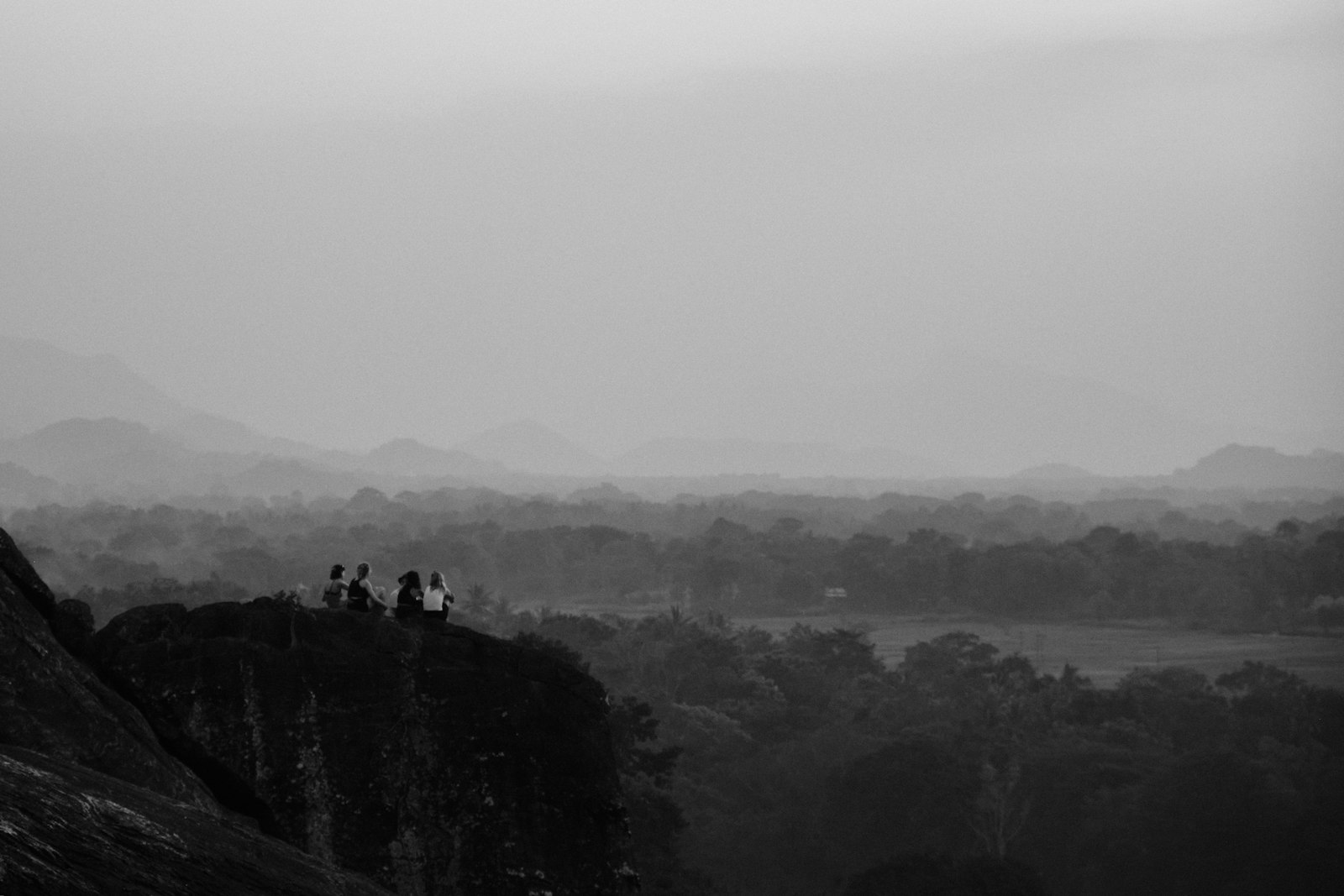
Travelers exploring Sri Lanka will find its history both deep and diverse, influencing many of the sights and cultural experiences on offer today. The island’s story begins around 543 BCE with the arrival of Prince Vijaya, regarded as the founder of the Sinhalese people. Its location in the Indian Ocean made it a crossroads for traders from Persia, Arabia, and China, shaping a unique cultural mix.
Quick Travel Summary
Sri Lanka's history spans over two millennia, from ancient kingdoms like Anuradhapura and Polonnaruwa to Portuguese, Dutch, and British colonial periods, culminating in independence in 1948. Visitors interested in heritage sites and cultural context will find this overview useful for understanding the island's rich past.
Ancient Kingdoms: Foundations of Culture and Religion
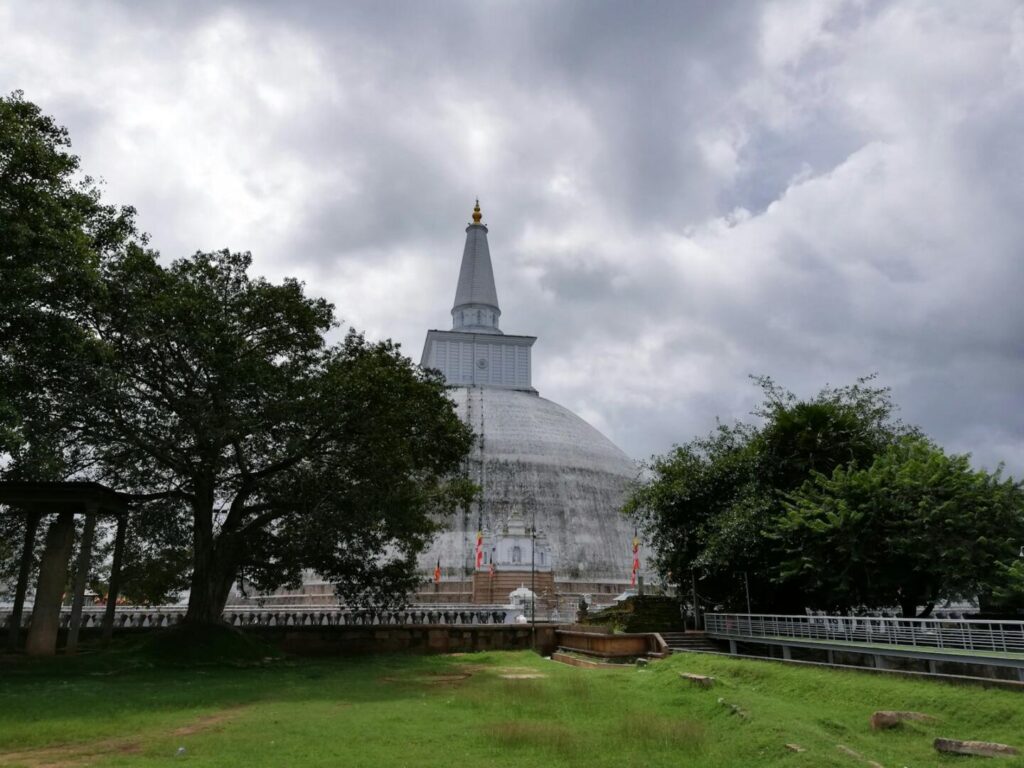
The Anuradhapura Kingdom, established in 377 BCE, represents one of the earliest and most significant eras. Visitors to the ancient city can see impressive ruins like the Ruwanwelisaya stupa and the sacred Jaya Sri Maha Bodhi tree. These sites reflect the growth of Theravada Buddhism following its introduction by Mahinda, son of Emperor Ashoka, in the 3rd century BCE. Anuradhapura’s remains offer insight into early urban planning, religious devotion, and irrigation engineering.
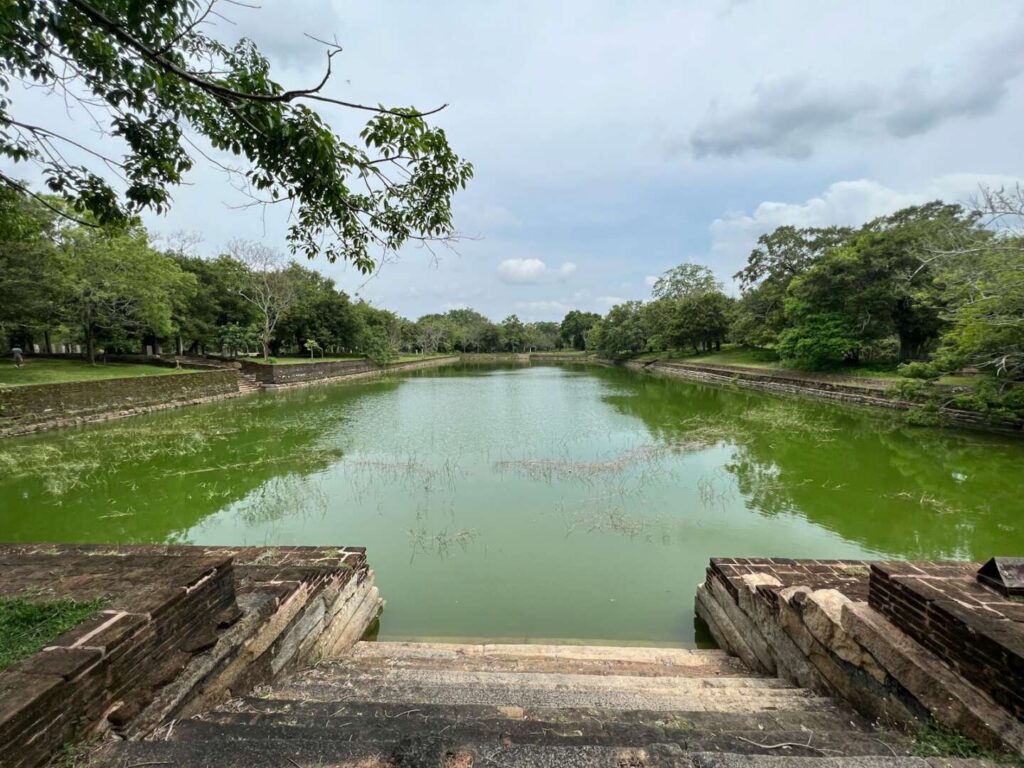
After Anuradhapura, the Polonnaruwa period (1017 – 1236 CE) saw further advancements. King Parakramabahu I, a key figure during this time, is remembered for his military strength and extensive irrigation projects that sustained agriculture. The well-preserved ruins in Polonnaruwa reveal the kingdom’s prosperity and architectural skill, with palaces, temples, and water reservoirs still visible.
European Colonial Influence and Coastal Heritage
European powers arrived in the early 1500s, beginning with the Portuguese in 1505. They focused on controlling coastal areas and the lucrative spice trade, introducing Christianity and European architectural styles. Forts and churches built during this era remain along the coast, particularly in cities like Galle.
The Dutch took over from the Portuguese in 1658, enhancing administrative systems and legal frameworks that have echoes in Sri Lanka’s current laws. They continued cinnamon harvesting and built forts, some of which are UNESCO World Heritage sites today.
British control began in 1796, uniting the island by 1815. Their rule brought plantation agriculture, including tea, rubber, and coconut estates, which visitors can still tour in the hill country around Nuwara Eliya and Kandy. The British also developed infrastructure and education, shaping modern Sri Lanka’s social fabric.
The Road to Independence and Modern Challenges
Nationalist movements grew in the early 20th century, leading to independence on February 4, 1948. D.S. Senanayake, the first Prime Minister, is often called the “Father of the Nation.” Since independence, Sri Lanka has faced complex challenges, including ethnic tensions that resulted in a civil war from 1983 to 2009. While the conflict is over, its effects remain part of the country’s recent history.
The 2004 Indian Ocean tsunami was another defining moment, devastating coastal communities and prompting international aid efforts. Travelers visiting coastal areas may notice memorials and rebuilt villages reflecting this event.
Practical Tips for History Enthusiasts
Many historical sites are accessible for day trips from major cities. Anuradhapura and Polonnaruwa each have protected archaeological zones with entry fees, guided tours, and visitor facilities. Galle’s fort area is walkable and full of colonial-era buildings, cafes, and museums. Plan visits early in the day to avoid the midday heat and crowds.
Understanding the historical context enriches visits to temples, forts, and plantations. Local guides often provide detailed stories about rulers, religious influences, and colonial legacies. Respectful behavior is expected at religious sites: dress modestly and remove footwear when required.
What tourists should know
Sri Lanka's history is visible across many heritage sites, especially in Anuradhapura, Polonnaruwa, and Galle. Visitors can explore ancient ruins, colonial forts, and plantation estates that offer a window into different eras. Many sites have entrance fees and guided tours available. Dress appropriately at religious places and check opening hours before visiting.
Travel tip
Start heritage site visits early to avoid heat and crowds, and consider hiring a local guide for richer context.