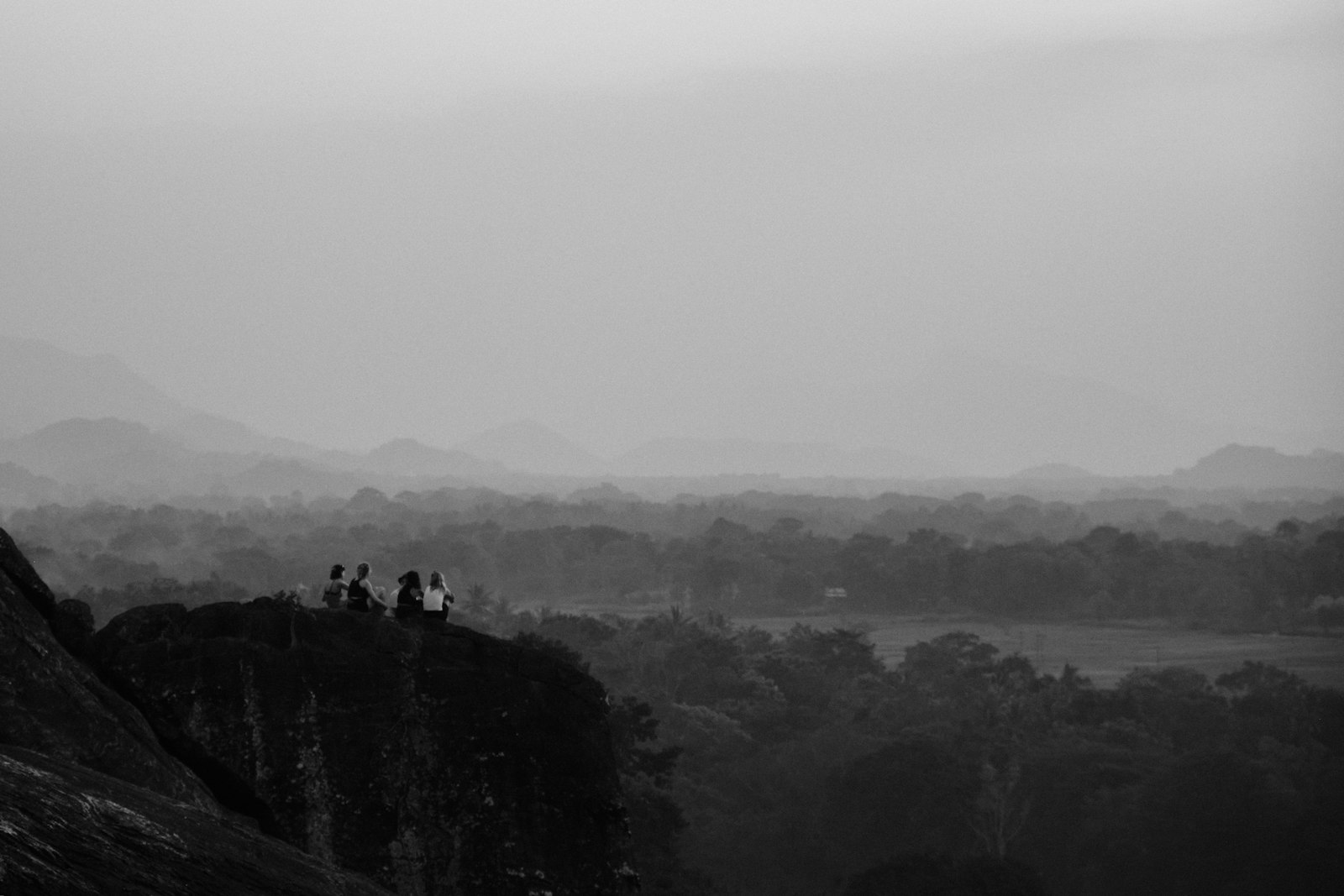
Sri Lanka has become a popular destination for surfers looking for warm-water waves and a variety of breaks along its long coastline. With over 1,600 kilometres of beaches facing both west and east, the island provides surfing opportunities throughout the year.
Quick Travel Summary
Sri Lanka offers year-round surfing with two distinct seasons on opposite coasts. From November to April, the southwest coast is ideal, while May to September is best for the east coast, including famous Arugam Bay.
Surf Seasons and Where to Go
The island’s two main surfing seasons happen on opposite coasts, so there is almost always somewhere with good waves.
Southwest Coast Surfing: November to April
During these months, the southwest coast attracts consistent swells and offshore winds that create well-shaped waves. Popular surf towns like Hikkaduwa, Unawatuna, and Ahangama see their best conditions in this period. The area offers a mix of gentle beach breaks for beginners and more challenging reef breaks for experienced surfers.
East Coast Surfing: May to September
The surf season shifts to the east coast, with Arugam Bay becoming the main hotspot. Known worldwide, Arugam Bay offers powerful, consistent waves that suit intermediate and advanced surfers. It features both a learner-friendly beach break with gentle rolling waves and a steeper point break for those ready to take on more challenging rides.
Top Surf Spots to Consider
Kabalana Beach
Recognized as a great place to learn surfing fundamentals, Kabalana attracts beginners and intermediate surfers alike. Its manageable waves and welcoming surf schools make it a popular choice for those starting out.
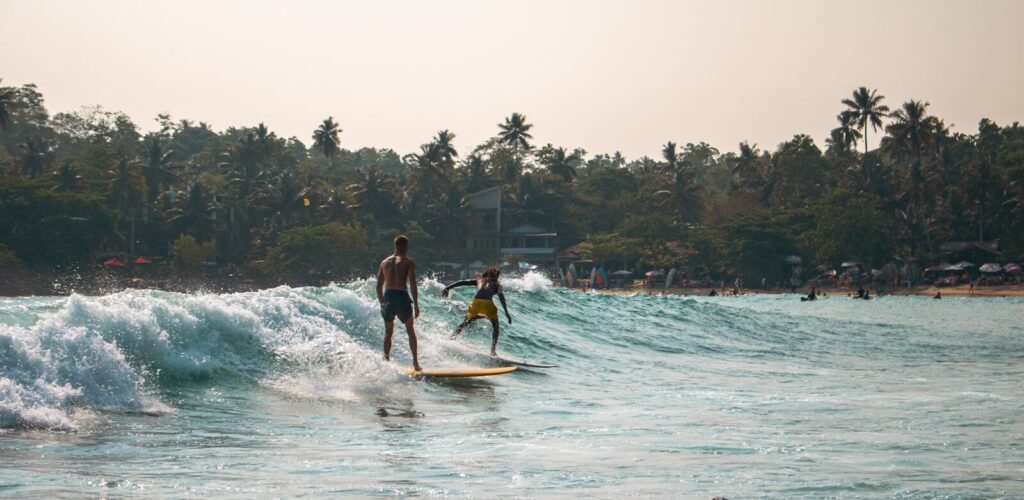
Weligama Bay
Just a short ride from Kabalana, Weligama Bay is famous for consistent, mellow waves that break both left and right. Its sheltered location means it remains surfable even when bigger swells hit other spots. The palm-lined shore and clear turquoise water add to the relaxed atmosphere.
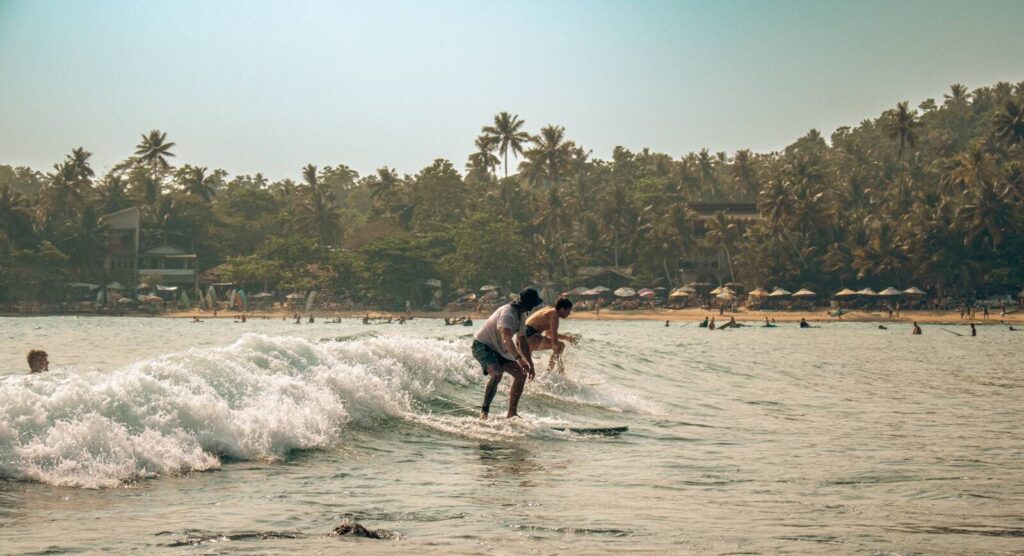
Plantations
Plantations is a versatile spot that can suit beginners to advanced surfers depending on swell size. Around 3-4 feet, it offers fun right-hand waves with walls ideal for carving turns. While it can get crowded, catching a good wave here can be a highlight of a Sri Lanka surf trip.
Midigama
For skilled surfers, Midigama’s reef breaks provide steep takeoffs, fast walls, and barrel sections. This spot demands respect due to sea urchins and powerful waves, so it’s best suited to those with solid experience.
What to Keep in Mind
Surf conditions in Sri Lanka can vary with tides and wind direction, so checking local forecasts and consulting surf schools or guides is advisable. Crowds can build up at well-known spots, especially during peak season, but there are quieter beaches nearby if you look.
Besides surfing, Sri Lanka offers plenty of cultural experiences, wildlife excursions, and spicy food to enjoy when you’re not in the water. Combining surf sessions with visits to sacred sites or national parks like Yala can make your trip even more memorable.
What tourists should know
Sri Lanka’s surfing season is split between the southwest coast (November-April) and the east coast (May-September), so plan according to the type of waves and conditions you want. Beginners will find good options at Kabalana and Weligama, while advanced surfers should consider Midigama or Arugam Bay. Check local surf reports for tide and wind updates to time your sessions well.
Travel tip
Book surf lessons or guides in advance during peak season to secure a spot and get local insight on the best waves.