June is often overlooked by travellers to Sri Lanka, yet it provides a distinct experience far from the usual peak season crowds. While December to March remains popular, visiting in June reveals a different side of the island: peaceful wildlife reserves, atmospheric ancient sites mostly free of tour buses, and empty beaches. Here’s what to expect and how to plan your visit during this off-season period.
Quick Travel Summary
June offers a quieter Sri Lanka experience with fewer tourists at major sites, unique wildlife sightings, and mostly short, sharp rains. Beaches on the south coast may be unsafe for swimming, but the east coast enjoys calm seas and sunshine.
Wildlife Watching with Fewer Visitors
June coincides with the South-West monsoon, which mainly affects the southwest of the island. Rather than constant rain, expect brief, intense showers that clear quickly. This means wildlife parks like Yala and Wilpattu are less crowded but still very rewarding.
In Yala National Park, the usual image of congested jeep traffic is replaced by vast open spaces with only a handful of vehicles. Visitors can enjoy intimate encounters with animals such as sloth bears feeding openly on palu berries, herds of spotted deer, and even baby elephants just weeks old learning to walk under their mother’s watchful eye. Birdwatchers will appreciate the vivid green bee-eaters and kingfishers active in the parks.
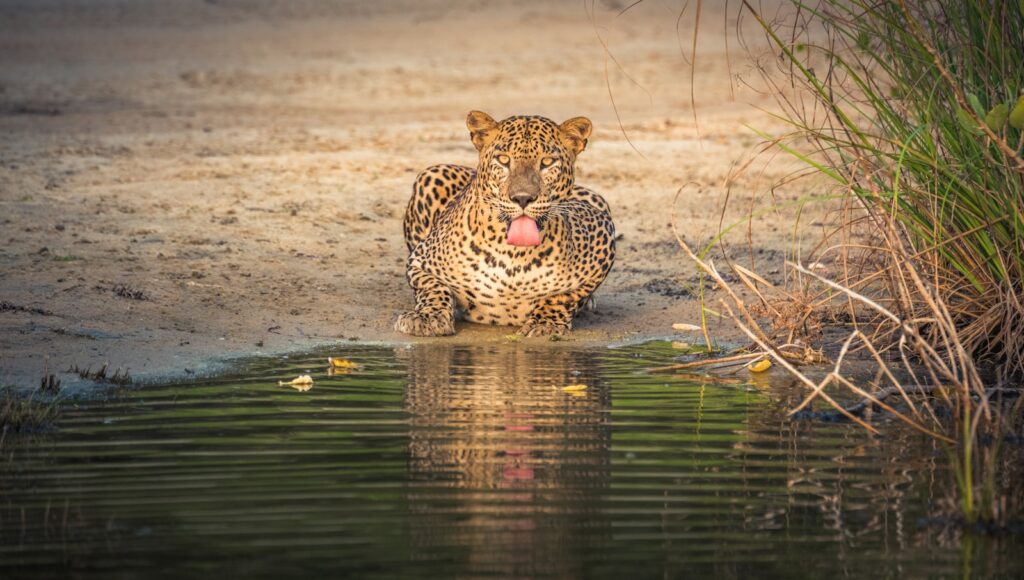
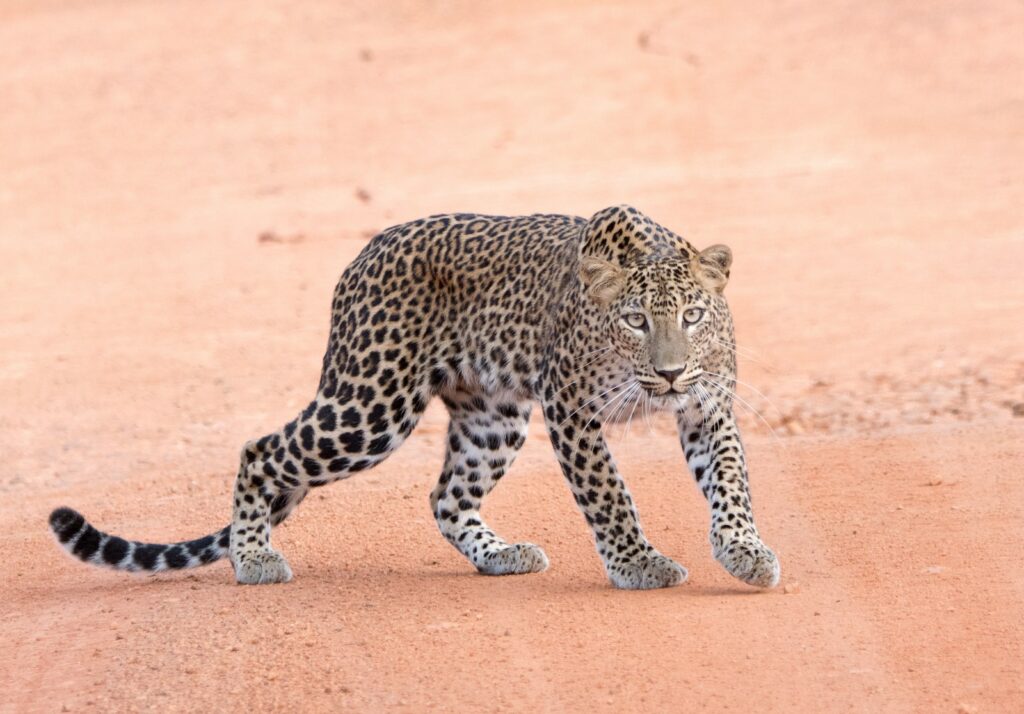
One highlight is the chance to see leopards with minimal disturbance. In Wilpattu, it is possible to spot dominant males strolling calmly near the roads, accompanied by only a few other vehicles. These quiet conditions create a much more personal safari experience.
Cultural Sites without the Crowds
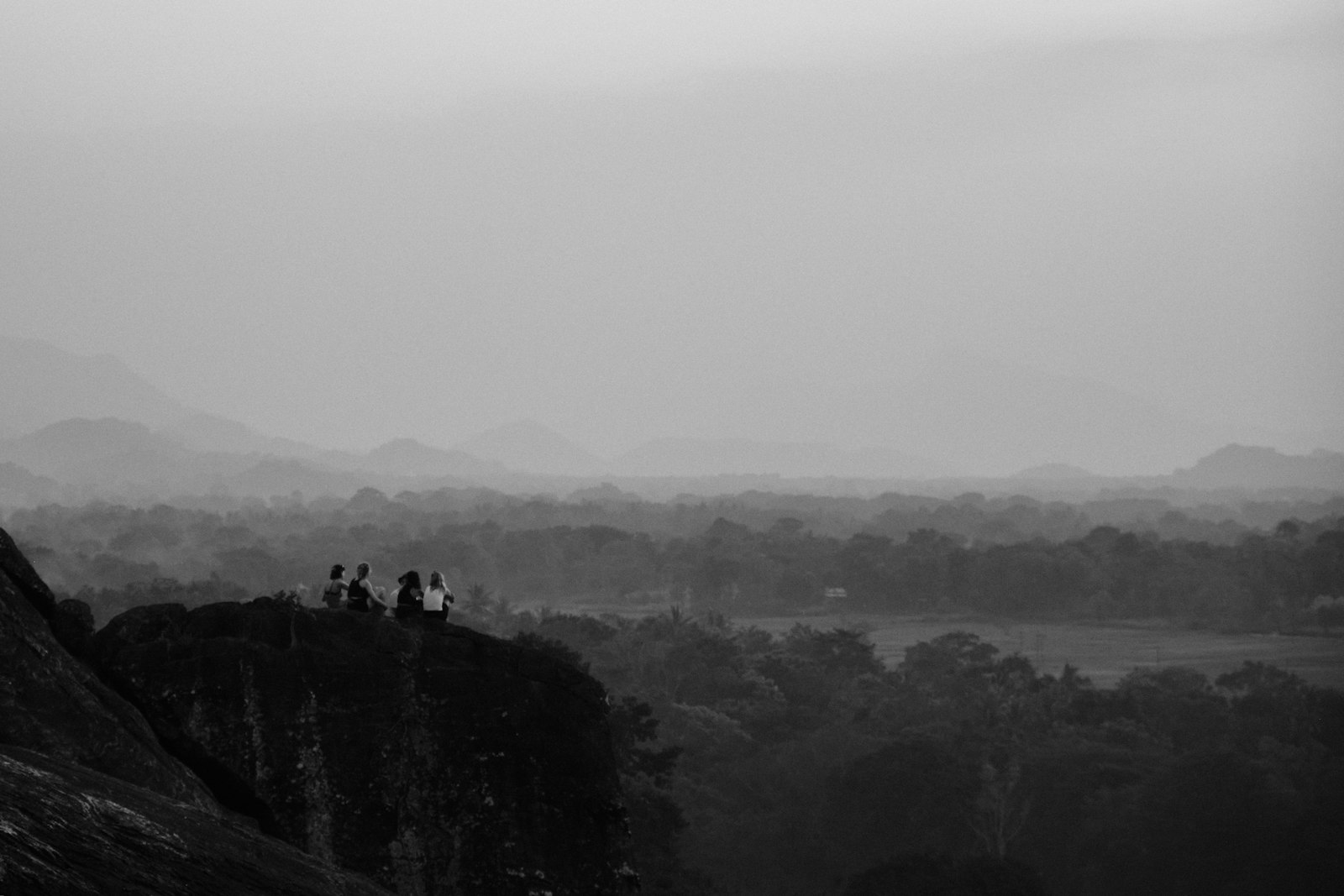
The Cultural Triangle sees fewer tourists in June, but the sites remain fascinating. While places like Sigiriya will never be empty, the atmosphere is much calmer than during peak season. Anuradhapura offers a particularly unique experience at night, when pilgrims gather to pray and chant around the ancient stupas. This peaceful, spiritual setting is rarely accessible to tourists in larger numbers and can leave a lasting impression.
Coastal Conditions: South vs East
Sea conditions on the south coast during June can be rough, with red flags often posted to warn swimmers. Beaches here are largely empty, which can be a plus for those seeking solitude, but swimming is generally not advised. Tangalle, for example, offers quiet beach retreats with the downside of limited swimming opportunities due to the rough sea.
In contrast, the east coast around Passikudah and Arugam Bay enjoys calm waters and plenty of sunshine at this time. This area is ideal for beachgoers wanting to swim and relax by the sea while avoiding the busier months.
Hill Country and Tea Plantations
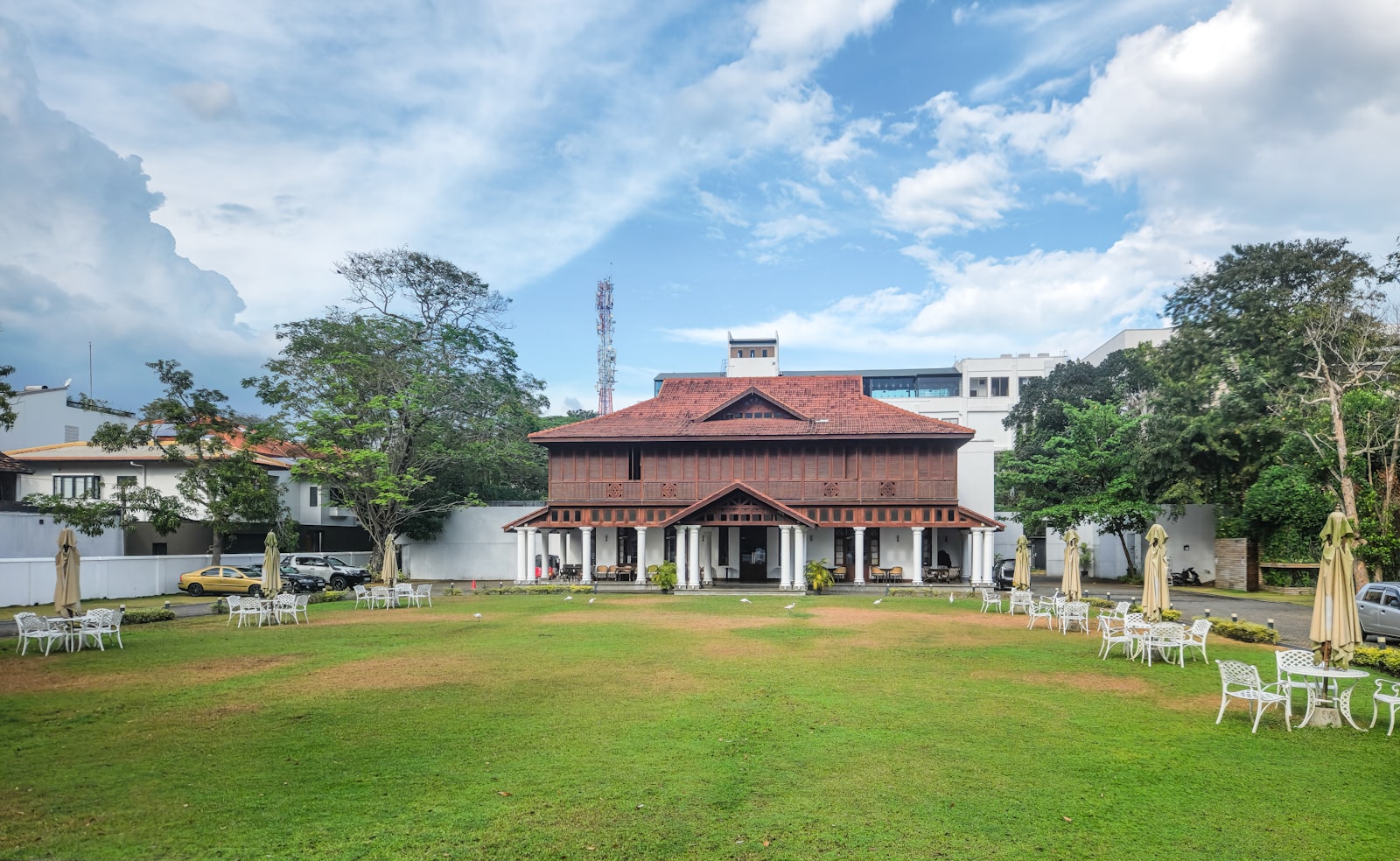
The central highlands remain dry and warm, providing pleasant weather for exploring tea estates and hill stations. Boutique stays like AMBA Estate offer intimate accommodations, where guests can learn about tea production firsthand and enjoy quiet evenings away from crowds. The reduced visitor numbers mean a more personal experience at these scenic locations.
What to Pack and Plan For
Be ready for sudden tropical showers with a lightweight rain jacket or poncho. Most rain comes in short bursts that do not disrupt daytime plans significantly. It’s also wise to carry insect repellent, especially in the parks and rural areas.
Accommodations and tours may be quieter than usual, sometimes with only a few other guests around. If you prefer lively evenings, consider staying in slightly busier towns or larger hotels. Otherwise, this quieter pace allows for relaxed exploration and a closer connection to the surroundings.
Planning Your Route
For the best experience, combine visits to dry-zone parks like Wilpattu and Yala with the Cultural Triangle and the east coast beaches. This balances wildlife watching with cultural visits and beach time under sunnier skies.
Booking with a local travel specialist can help tailor your itinerary to avoid the wettest areas and highlight the best experiences available in June.
Visiting Sri Lanka in June means trading some typical beach days for a chance to see the island’s wildlife and heritage sites in a more intimate, less crowded setting. It’s a different rhythm, sometimes warm, sometimes wet, but often unforgettable in its own way.
What tourists should know
June marks the South-West monsoon season in Sri Lanka, bringing short, heavy rains mostly in the southwest. Wildlife parks like Yala and Wilpattu are much less crowded, offering better chances to see animals up close. Swimming is generally unsafe on the south coast due to rough seas, but the east coast has calm waters and sunshine. Cultural sites are peaceful, especially at night, but some hotels and towns can feel quiet due to fewer tourists.
Travel tip
Pack a lightweight rain jacket for sudden tropical showers and plan beach visits on the east coast for calmer seas in June.