Kottu Roti is a beloved dish in Sri Lanka, known for its vibrant flavors and cultural significance. Best enjoyed at night, this street food offers a unique sensory experience that reflects the island’s rich culinary heritage.
Quick Travel Summary
Kottu Roti is a popular Sri Lankan street food best enjoyed in the evenings. This chopped flatbread dish offers a unique sensory experience with its rhythmic cooking sounds and rich cultural history blending Tamil, Muslim, and Sinhalese traditions.
The Unique Appeal of Kottu Roti
Kottu Roti is more than just a meal; it is a vibrant part of Sri Lanka’s evening culture. The name itself reflects its mixed heritage: “Kottu” means “to chop” in Tamil, describing the chopping technique, while “Roti” refers to the soft flatbread from Sinhalese culinary tradition. The dish is prepared on a hot steel griddle where chefs use two metal blades to rapidly chop and mix the ingredients, creating a rhythmic sound that has become synonymous with the dish.
Varieties and Flavors
Originally a simple combination of chopped roti, vegetables, eggs, and curry gravy, Kottu has evolved into many varieties. Common options include Chicken Kottu, Egg Kottu, Beef Kottu, and Vegetable Kottu. More recent additions range from Seafood and Cheese Kottu to creative versions like String Hopper Kottu. Each region and vendor often adds their own twist, reflecting Sri Lanka’s diverse culinary landscape.
Best Times and Places to Enjoy Kottu Roti
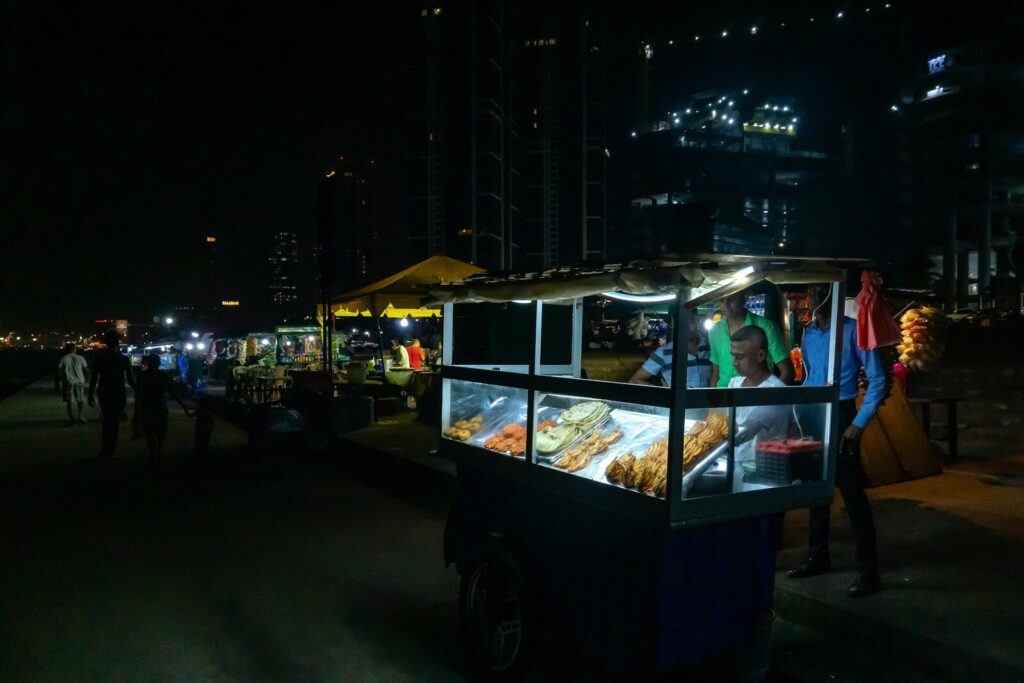
Kottu Roti is primarily an evening and late-night offering. It is rarely served during the day, making nighttime the best opportunity for visitors to try this street food. In cities like Colombo, areas around transport hubs, hospitals, and universities host numerous “night kades”—roadside eateries that specialize in quick, filling meals for night workers and students. Popular spots historically include neighborhoods like Maradana, Pettah, Nugegoda, and along Galle Road.
Night Kade Culture
The rise of Kottu Roti is closely tied to the expansion of Sri Lanka’s urban nightlife after independence in the 1950s and 1960s. Night kades became essential for those working late shifts, offering affordable and hearty food. These venues helped Kottu Roti become a shared experience among diverse groups, from laborers to corporate employees, all enjoying the dish side by side.
Cultural Influences on Kottu Roti
Kottu Roti reflects Sri Lanka’s multicultural society. The Tamil and Muslim communities contributed the linguistic and culinary roots of “Kottu,” while the Sinhalese heritage provided the Godamba roti base. Muslim-owned night kades played a significant role in popularizing the dish in urban centers. By the 1990s, Kottu had become a national symbol, celebrated in Sinhalese popular culture through music and the lively performances of its cooks, who turn cooking into a rhythmic street show.
Historical Context
While the exact origin of Kottu Roti is unclear, oral histories trace its development through street vendors and night food stalls across Sri Lanka from the mid-20th century onward. It gradually spread from Colombo to other cities and coastal towns, becoming an integral part of local night food culture. The dish’s name and preparation method reveal its shared roots across ethnic groups, symbolizing unity through food.
Essential Tips for Enjoying Kottu Roti
Visitors looking to try Kottu Roti should plan to visit in the evening when night kades come alive. Areas near busy bus stands, railway stations, and university neighborhoods tend to have reliable and authentic vendors. Sampling Kottu Roti is not only about tasting the food but also about experiencing the lively street atmosphere and the performance-like cooking style.
While Kottu Roti is widely loved, those with dietary restrictions should inquire about ingredients as the dish often contains meat, eggs, and spices. Vegetarian and seafood options are usually available at many stalls.
Key Insights for Tourists
Kottu Roti is a popular Sri Lankan street food best enjoyed in the evening at night kades found in major cities and towns. It is recognized by the rhythmic sound of chopping during preparation. Visitors should seek out busy street food stalls near transport hubs for an authentic experience. Variations include meat, seafood, and vegetarian options, but it is rarely available during daytime.
Helpful Travel Tips
Sampling Kottu Roti is not just about the food; it’s about immersing yourself in the lively street culture of Sri Lanka. Make sure to visit a night kade to fully appreciate this iconic dish.