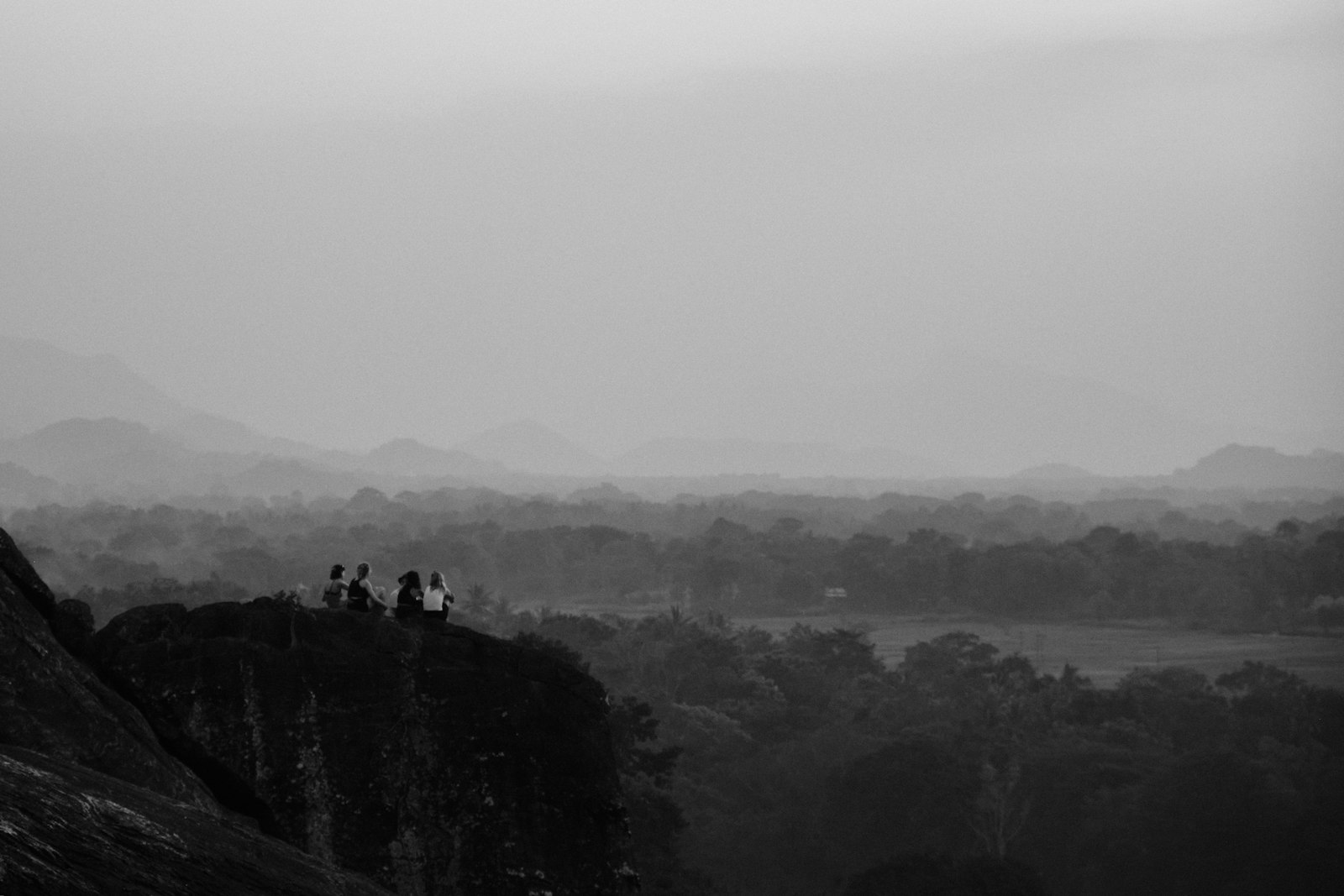
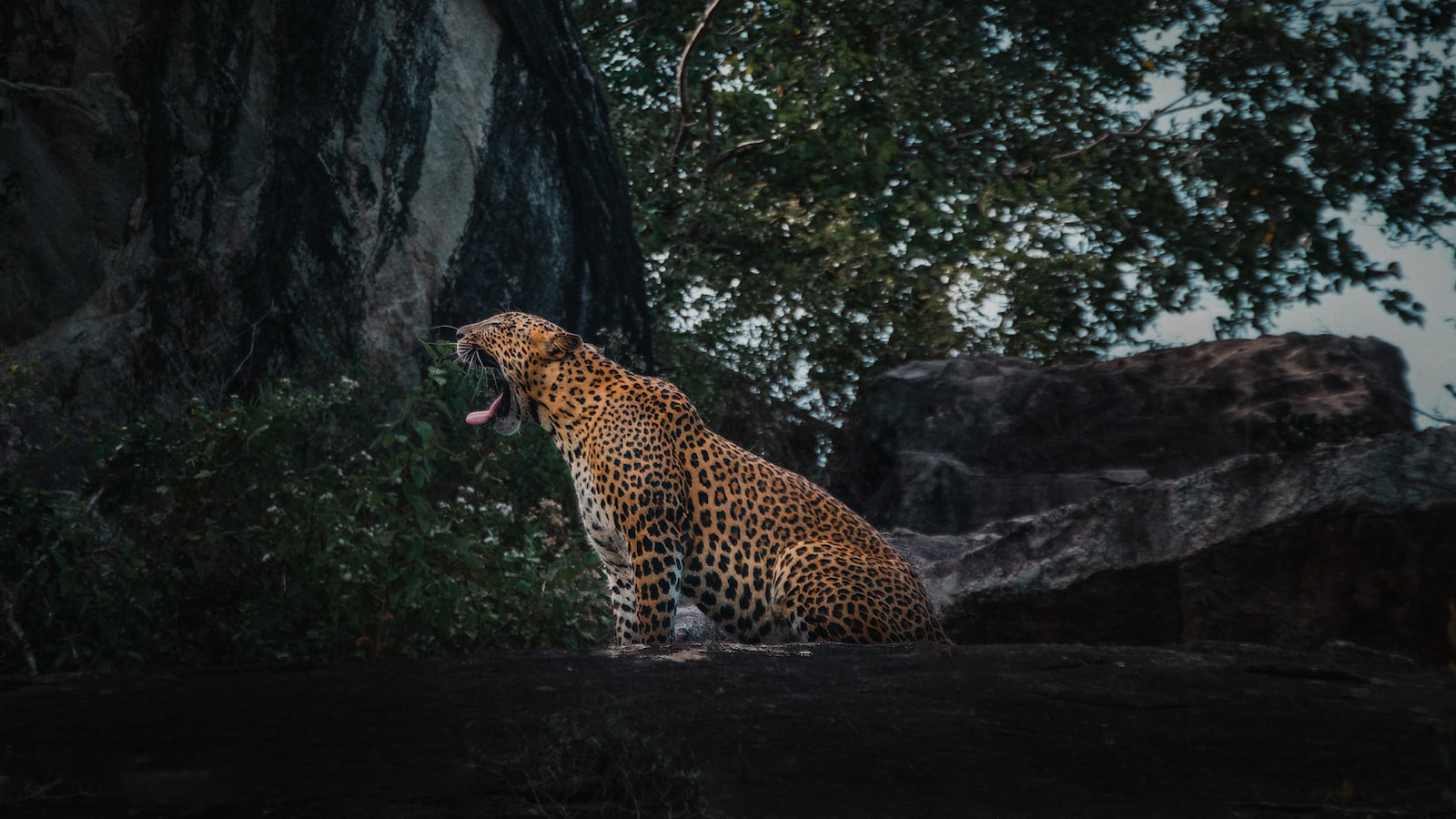
The Cultural Triangle of Sri Lanka offers a unique opportunity to explore ancient cities and monumental sites in a more relaxed and meaningful way. By visiting during the cooler evening hours and engaging with local communities, travelers can enhance their experience and create lasting memories.
Quick Travel Summary
Visitors to Sri Lanka's Cultural Triangle can enrich their trip by exploring key sites like Anuradhapura and Sigiriya during cooler evening hours and engaging with local village life. Alternative activities such as kayaking in Kalawewa National Park and visiting the forest monastery at Ritigala offer unique perspectives beyond typical itineraries.
Evening Visits to Anuradhapura’s Sacred Sites
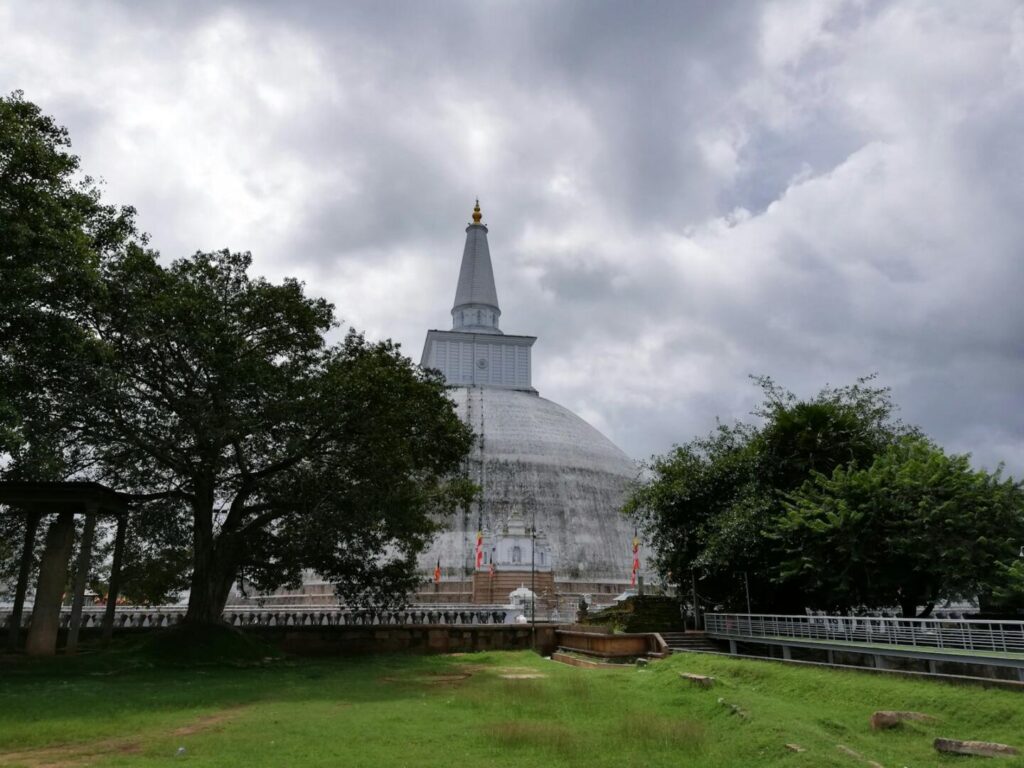
Most tourists visit Anuradhapura’s stupas and temples during the heat of the day, often moving quickly between major highlights. An alternative approach is to visit after dusk, when the atmosphere shifts dramatically. Guided evening tours allow visitors to experience the serene ambiance of places like the Jaya Sri Maha Bodhi, a sacred fig tree over 2,300 years old, where worshippers gather to offer flowers and light oil lamps.
One of the most striking experiences is at the Ruwanwelisaya stupa after sunset. The illuminated white stupa, surrounded by flickering oil lamps and monks in quiet reverence, creates a peaceful setting for visitors to join local worshippers in barefoot circumambulation. The Thuparamaya and Jetavanaramaya stupas are also accessible during these times, offering a cooler and less crowded environment to appreciate their scale and history.
Kayaking in Kalawewa National Park: A Quiet Alternative to Safari
Instead of the typical jeep safari at Minneriya, visitors may consider kayaking on the reservoir at Kalawewa National Park. This lesser-known location is rich in birdlife, including kingfishers, painted storks, and sea eagles, and is home to herds of elephants, some of which are rare tuskers. Paddling quietly across the water offers a unique chance to observe wildlife closely and at one’s own pace, away from the usual vehicle crowds.
Ritigala Forest Monastery: A Secluded Historical Site
Ritigala offers a contrasting experience to the grand monuments of the Cultural Triangle. This ancient forest monastery, dating back to the 7th century, was once home to ascetic Buddhist monks. Today, visitors can explore stone stairways and meditation halls being reclaimed by jungle growth, while enjoying the natural surroundings that include medicinal plants, wild orchids, and native wildlife such as purple-faced langurs. The site is typically quiet, providing a peaceful retreat from busier tourist spots.
Immersive Village Experiences Near Ancient Sites
Spending time in nearby villages adds depth to the Cultural Triangle visit. Local hosts share their daily lives and traditional farming practices, including crops like aubergines, moringa, and passion fruit. Visitors can enjoy home-cooked meals prepared in woodfire kitchens, such as daal, egg curry, and coconut-based dishes, offering a genuine taste of Sri Lankan village life. These interactions provide insight into rural living and the close relationship communities maintain with the ancient sites nearby.
Classic Sites with a Slower Pace
While the well-known sites of Dambulla’s cave temples and Sigiriya’s rock fortress remain essential stops, approaching them with more time and patience enhances the experience. Exploring beyond the main trails, taking boat trips on nearby lakes, or cycling around Polonnaruwa can reveal quieter perspectives and allow visitors to appreciate the surroundings more fully.
What Visitors Should Do
- Consider visiting major Cultural Triangle sites in the late afternoon or evening to avoid daytime heat and crowds.
- Include alternative activities like kayaking at Kalawewa or hiking at Ritigala for varied experiences.
- Engage with local villagers for home-cooked meals and cultural exchange, enriching your understanding of the region.
- Allow extra time at popular sites to explore slower and absorb the historical and spiritual context.
These approaches offer travelers a chance to see Sri Lanka’s Cultural Triangle beyond the usual itinerary, making visits more reflective and personally meaningful.
What tourists should know
Visitors to the Cultural Triangle can benefit from scheduling visits to major sites during cooler evening hours to avoid daytime heat and crowds. Alternative activities like kayaking in Kalawewa and exploring Ritigala monastery provide quieter, less conventional experiences. Engaging with local villagers for meals and cultural insights adds depth to the visit. Planning for a slower pace at popular sites enhances appreciation of their history and atmosphere.
Travel tip
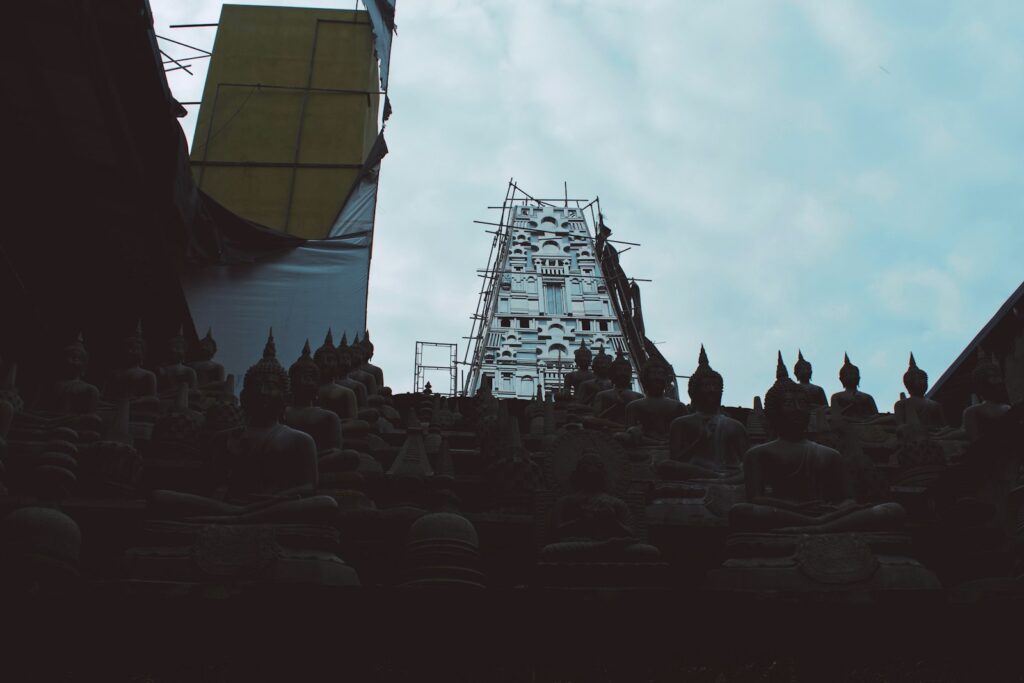
By embracing evening visits and immersive village experiences, travelers can discover the Cultural Triangle of Sri Lanka in a way that is both enriching and reflective. This approach not only allows for a deeper connection to the sites but also fosters a greater appreciation for the local culture and traditions.