Visitors to Galle Fort on Sri Lanka’s southwest coast have a fresh reason to explore beyond the usual sights. The celebrated cricket legend Kumar Sangakkara and his wife Yehali have spent nearly two decades restoring a historic villa within the fort’s walls. Their careful work has transformed a dilapidated 120-year-old house into a unique residence that respects the fort’s layered history while introducing contemporary comforts.
Quick Travel Summary
Kumar Sangakkara, the renowned Sri Lankan cricket player, has completed the restoration of a 120-year-old villa inside Galle Fort, blending historic architecture with modern design. Visitors to Galle can now appreciate how heritage buildings can be preserved as living homes, not just relics.
A Living Heritage in Galle Fort
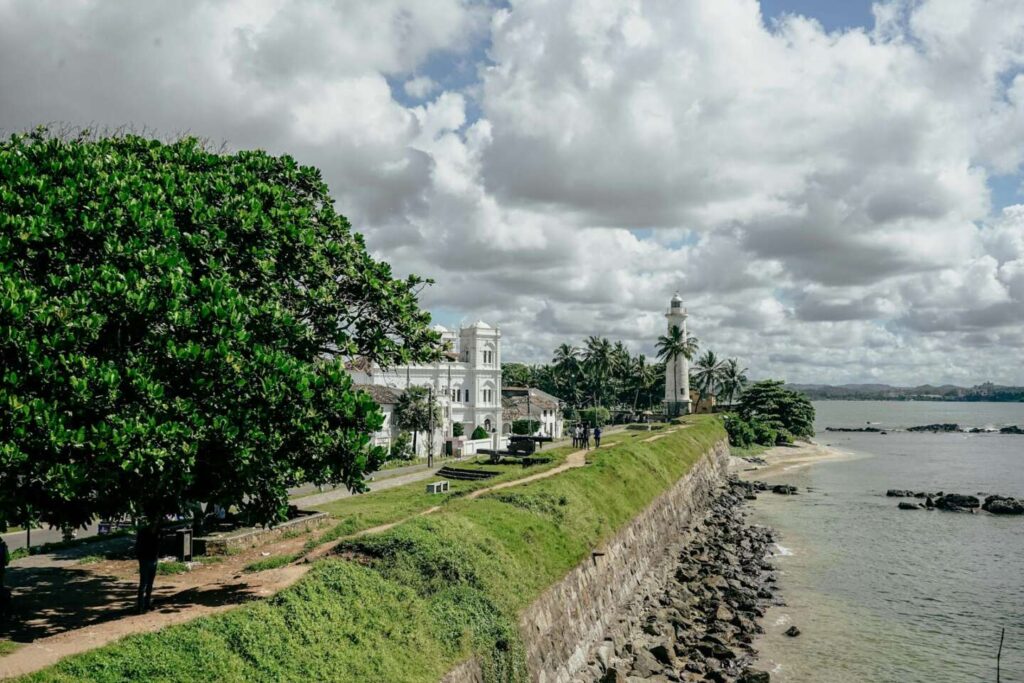
Galle Fort, a UNESCO World Heritage site since 1988, is famed for its blend of European colonial architecture and South Asian influences. Established by the Portuguese in the 16th century and later developed under Dutch and British rule, the fort today is a vibrant neighborhood with narrow streets, ancient ramparts, and a mix of old homes, shops, and cafés.
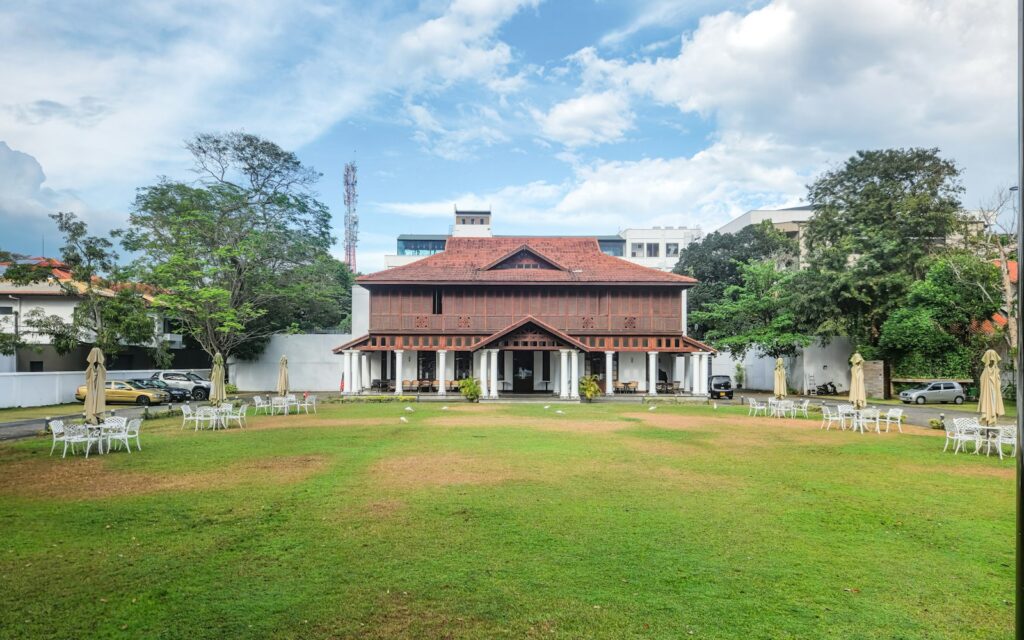
While many visitors come to see the fort’s historic walls and lighthouse, Sangakkara’s villa offers an intimate example of how heritage buildings here can be carefully adapted for modern life without losing their identity.
From Ruin to Residence
When the Sangakkaras purchased the villa in 2008, it was in poor condition, showing the wear of a century and more. Instead of simply renovating it with new materials, the couple worked with architects Jeevan D’Souza and Murad Ismail and interior designer Annika Fernando to preserve much of the villa’s original fabric. Weathered walls, coral stone, and layers of patina were deliberately left visible to maintain the house’s historic character.
This approach means visitors who peek inside can see the contrast between aged surfaces and clean modern finishes, a dialogue between past and present that reflects the spirit of Galle Fort itself.
A Unique Design Story
One memorable challenge involved a large sculpture by Sri Lankan artist Prageeth Manohansa. It was too big to fit through any doors once the villa was restored, so the team brought the artwork in before the renovation began and built the house around it. This unusual solution highlights the project’s philosophy: adapting to what the building already contained, rather than forcing it to conform.
What the Villa Offers Today
The restored villa now features four bedrooms, three courtyard gardens, and a rooftop pool with views toward the Galle Lighthouse and the Indian Ocean. Inside, contemporary interiors mix with antiques and original architectural elements, creating a home that feels both historic and current.
For travellers, the villa underscores that Galle Fort is not just a museum. It is a living urban area where people continue to live, work, and care for their heritage. Sangakkara’s project aligns with UNESCO’s conservation guidance, which encourages adaptive reuse while preserving authentic historic materials.
Exploring Galle Fort With New Eyes
Next time you visit, take time to wander the fort’s ramparts around sunset, stroll through its narrow lanes, and look closely at the old verandas and courtyards. Notice how the architecture tells stories of Portuguese, Dutch, and British influence alongside local Sri Lankan traditions.
Sangakkara’s villa is a reminder to appreciate how historic buildings can evolve. It shows that preserving heritage can mean giving buildings a new life, blending old and new thoughtfully, and keeping the marks of time visible rather than erased.
What tourists should know
Galle Fort remains a vibrant neighborhood with many historic buildings still in use. Sangakkara’s restored villa inside the fort is private but symbolizes the care taken to preserve local heritage. Visitors should explore the fort’s streets, ramparts, and museums to experience the blend of colonial and local architecture. The area is best enjoyed on foot, especially near sunset when the light brings out the textures of the old walls.
Travel tip
Wear comfortable shoes for walking on uneven stone streets and bring a hat for sun protection when exploring Galle Fort.